Gnee Steel (tianjin) Co., Ltd

Copper Sheet

Company Profile

Gnee steel group is a supply chain integrated enterprise including steel plate, coil, profile, outdoor landscape design and processing. Founded in 2008, with 5 million RMB registered capital, Gnee has made impressive progress and development in steel market with Gnee People more than 10 years hard fighting. At present, the total investment amount reaches 30 million RMB, workshop area more than 35000㎡, with over 200 employees. Gnee is becoming the most professional international steel supply chain company in China central plains with explicit strategic framework, integrated governance structure, firm management foundation, abundant fund and human power.


Gnee steel group is a professional one-stop supply chain company for steel products in China. The copper and titanium technology has reached the world average technology level and has been approved by dozens of project companies to be the star company in Asia.

1.One-stop solution

We can offer a range of services, from consultation and advice to product design and delivery. It is a convenience for the customers, as they can get all the help they need in one place.

2.Rich experience

Dedicated to strict quality control and attentive customer service, our experienced staff is always available to discuss your requirements and ensure complete customer satisfaction.

3.Quality control

We have professional personnel to monitor the production process, inspect the products and ensure that the final product meets the required quality level standards, guidelines and specifications.

First 1234567 Last 1/74
What is Copper Sheet?

Copper sheet refers to a flat piece of copper that is often used in various applications, including electrical conductivity, roofing, architecture, and decorative accents. Copper sheet comes in various thicknesses, widths, and lengths, and can be customized or cut to fit a particular project or application. Copper sheet is known for its corrosion-resistant properties, durability, and malleability, which makes it a popular material for a broad range of applications.

Benefits of Copper Sheet
TU2 Pure Purple Copper Rod
T2 Pure Round Copper Rod
ASTM B88 Seamless Copper Water Tube

Durability
Copper is an extremely durable material that can withstand harsh environments and extreme temperatures. It is resistant to corrosion and erosion, making it ideal for outdoor applications such as roofing, gutters, and flashing.


Conductivity
Copper is one of the best conductors of heat and electricity. Copper sheets used in electrical wiring and communication cables provide superior conductivity, allowing electricity to flow efficiently.


Aesthetics
Copper has a unique and attractive appearance that will add an elegant touch to any project. Copper is a beautiful material that develops a natural patina over time, giving it a distinct look that is highly sought after in architectural and decorative applications.


Flexibility
Copper is a highly malleable material that can be formed into various shapes without the risk of breaking or cracking. This makes it easy to roll, cut, and bend copper sheets to fit any application, making it ideal for complex designs or difficult angles.


Corrosion resistance
Copper is naturally resistant to corrosion and rust, making it ideal for use in wet or humid environments such as marine applications, irrigation systems, or building facades.


Sustainable
Copper is a naturally occurring material with a long lifespan, making it an eco-friendly choice. Additionally, copper is 100% recyclable without any loss of properties or quality, making it a sustainable choice.


Thermal conductivity
Copper has excellent thermal conductivity, making it ideal for use in applications that require efficient heat transfer. Copper is used in a wide range of products, including heat exchangers and radiators.


Aesthetic appeal
Copper is a beautiful material that adds an aesthetic appeal to any project. It has a unique color and texture, making it ideal for designing decorative elements such as sculptures, architectural elements, and jewelry.


ASTM B280 Air Conditioning & Refrigeration Tube

Types of Copper Sheet


1.Pure copper sheet
This is made of 99.9% pure copper and is available in a variety of thicknesses ranging from 0.003 inches to 0.125 inches. It has a smooth surface finish and is ideal for use in electrical and plumbing applications.


2.Copper alloy sheet
This is made of copper mixed with other metals like tin, zinc, nickel, or aluminum. The alloy sheet has improved mechanical properties and is more resistant to corrosion than pure copper sheet. Its thickness ranges from 0.005 inches to 0.250 inches.


3.Architectural copper sheet
This is a type of copper sheet used in architectural applications like roofing, flashing, gutters, and cladding. It is available in various finishes like patinated, pre-weathered, and polished.


4.Decorative copper sheet
As the name suggests, this type of copper sheet is used for decorative purposes. It is available in various patterns, textures, and colors and can be used for wall and ceiling applications.


5.Copper foil sheet
This is a thin, flexible sheet of copper that is used in various applications like electrical devices, batteries, and printed circuit boards. Copper foil sheet is available in thicknesses ranging from 0.001 inches to 0.005 inches.


6.Electrolytic copper sheet
This is a high-purity copper sheet that is produced by electrolysis. It has excellent electrical conductivity and is used in electrical and electronic applications.


7.Perforated copper sheet
This is a copper sheet that has been punched with holes of various sizes and patterns. It is used in acoustic applications, filtration, and decorative screens.

C21000 Bending Copper Pipe


Application of Copper Sheet

Copper can be manufactured into different forms but it’s most popular in sheet form. After all, there are tons of applications that require copper sheets. Regardless of the copper sheet thickness, there will always be a use for it. This metal product is so popular you have trouble identifying where to buy copper sheets whenever you find the need. Here are some of applications of copper sheet metal.

Welding fixtures

Before welding product parts, their geometry must be secured using welding fixtures to ensure the quality of the final product. Copper alloys are ideal for such application. In case you are building your own welding setup and asking “how thick should my copper sheet be?” there are guides online that you can follow.

01

Ground straps

Any system or machine that runs on electricity must have a ground strap to protect essential components and people from electrostatic discharge (ESD).

02

Plumbing fitting

Copper, being resistant to corrosion, is an ideal material for flashing. It’s even perfect for roofing but, since copper is expensive, many people don’t find it practical.

03

Power transmission

Most sprockets, sheaves, belt pulleys, and bushings used in power transmission systems are made of durable and wear-resistant metals. Many alloys of copper fit the criteria.

04

Heat exchanger

The majority of components of heat exchangers are made of copper or its alloys, thanks to copper’s high heat capacity.

05


Properties of Copper


Our dependence on copper for many of our daily necessities comes from its many properties, which allow it to be turned into materials that are valuable in manufacturing basic commodities and utilities. There are many other metals that have similar properties but they are either not as stable or far less abundant. Let’s take a look at some of the properties that make copper a great metal.


Malleability
Copper can be hammered or rolled into thin sheets or plates without breaking. In fact, there’s a vast range of thicknesses copper can be manufactured into that distributors have made an entire copper sheet thickness chart. Each option can be used for highly specific functions from machine plating to surface embellishment.


Ductility
Copper can be drawn into small wires as well. Most of the electrical cables used in buildings have a copper core. Unlike other metals that become breakable in strips, copper remains hard even when it’s drawn into strands of very small diameters.


Corrosion Resistance
Many artifacts that date back several thousands of years are made of copper, which gives us a clue how long this metal can last. Copper, surely, corrodes just like any other metal. It’s just that the substances that can corrode it aren’t as common as those that corrode other metals.


Electrical Conductivity
It’s not just copper’s ductility that makes it a favorite material for making wire cores. Copper is also known to have superior electrical conductivity. It’s the second most highly conductive metal on the planet, next to silver.


High Heat Capacity
Copper can withstand very high temperatures, including heat produced by high voltages, which is also a reason why it’s the ideal material for making electrical wires. While silver has a higher electrical conductivity, it heats up very fast, causing fire hazards.


Antimicrobial Property
Most non-ferrous metals have the ability to release ions that damage certain proteins in microbes, killing them in the process. Copper, being the king of the non-ferrous, can decimate a great deal of bacteria in a short span of time, which is why it is ideal for making tubes and containers for water distribution and food processing.


Process of Copper Sheet


Copper extraction and refining

The manufacturing process of thin copper strips begins with the extraction of copper from the earth. Copper ore is mined and undergoes several refining processes to obtain pure copper. This includes crushing, grinding, and flotation, followed by smelting and electrolysis to achieve a high level of purity.

 
Copper casting and rolling

Once the pure copper is obtained, it is cast into large rectangular shapes called anodes. These anodesare then heated and rolled through a series of mills to gradually reduce their thickness and shape them into thin copper sheets. Rolling can be performed using hot or cold processes, depending on the desired properties of the final strips.

 
Annealing and pickling

To enhance the mechanical properties and remove any impurities, the rolled copper sheets undergo annealing. Annealing involves heating the copper to a specific temperature and then slowly cooling it. This process helps improve the flexibility and ductility of the copper, making it easier to work with in subsequent manufacturing steps. After annealing,the copper strips are pickled to remove any oxide layers or surface impurities.

 
Cold rolling and slitting

The next step in the manufacturing process is cold rolling, where the annealed copper strips are passed through multiple sets of rollers to further reduce their thickness. This cold rolling process can achieve the desired thinness and uniformity of the copper strips. Once the desired thickness is reached, the strips are slit into narrower widths using precision slitting machines, yielding thin copper strip of specific dimensions.

 
Surface treatment and quality control

After the slitting process, the thin copper strips may undergo surface treatments to enhance their performance or aesthetics. This can include processes such as electroplating, coating, or applying protective films. Additionally, quality control measures are implemented throughout the manufacturing process to ensure that the thin copper strips meet specific standards and requirements. Testing and inspection are conducted to verify the mechanical, electrical, and dimensional properties of the strips.


Components of Copper Sheet


The copper most commonly used for sheet and strip applications complies with ASTM B370. It consists of 99.9 percent copper, and is available in six tempers designated by ASTM B370 as: 060 (soft), H00 (cold rolled), H01 (cold rolled, high yield), H02 (half hard), H03 (three quarter hard), and H04 (hard).


How to Maintain Copper Sheet?
 
A vinegar (also known as acetic acid) and salt mixture is a simple but effective method to clean copper. It’s free of harsh chemicals and an affordable option. One tablespoon of salt to one cup of vinegar can be used as a ratio for the mixture. Using a soft cloth or soft scrubbing pads, rub the mixture on the copper followed by a rinse of water and a pat dry. Do not use steel wool as it is a harder metal than copper and will damage it. Allowing the copper to soak in the vinegar and salt solution is optimal but not always an option when dealing with copper sheet metal.
Citric acid, available in powder form, can be used as a diluted solution. In place of powdered citric acid, lemon or lime juice is a great substitute. Two and a half teaspoons of citric acid to one cup of water can be used as a ratio. Similar to the vinegar and salt mixture, use a soft cloth or scrubbing pad to apply the mixture. Avoid exposure to direct sunlight or other acids immediately following using a citric acid-based cleaning solution.
Another option is acetone. Acetone is a solvent that can be used with a soft cloth to remove stains from copper. Just make sure your workspace is well ventilated. You also better work fast because the acetone will evaporate very quickly.
Although some sources will recommend the use of ammonia, it should be avoided. Ammonia is a harsh chemical, and even as a diluted solution, it can cause the copper to become brittle and crack. In addition, this cleaning method leads to the copper being difficult to solder.


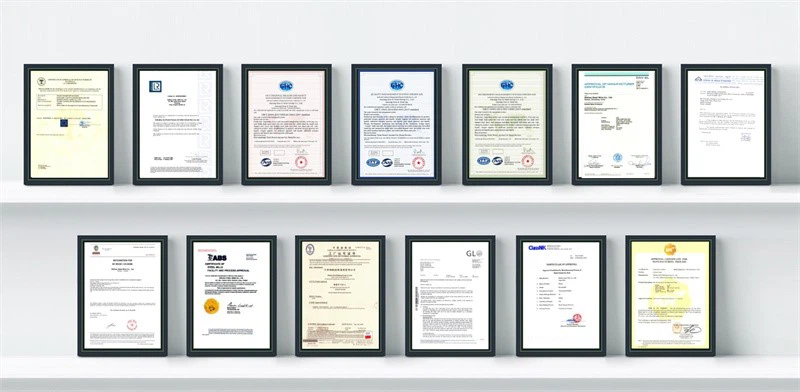
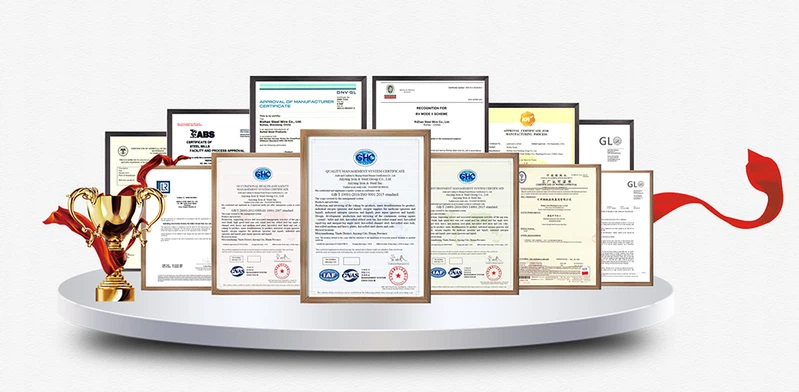
Certifications


productcate-1-1productcate-1-1


Our Factory


GNEE Metals has been around for 15 years. Located in Anyang City, Henan Province. At present, it has over 100 employees and covers an area of about 35000 square meters. We have independent production factories and processing workshops, and also cooperate with major factories, which can not only meet your customized requirements, but also accept large orders.


productcate-815-265

productcate-1-1


FAQ


Q: What is copper sheets used for?

A: Copper sheeting is popular for use in the electrical appliance and construction industries for this reason. Copper can be found in wiring, motors, hospital equipment and industrial machinery in addition to its historic applications for plumbing and decor.

Q: Is copper sheet pure copper?

A: Copper sheets and plates are available in alloy 110 in a variety of sheet sizes. It is also known as Electrolytic Tough Pitch, ETP, or just pure copper, because our copper sheet is 99.90% copper. Copper sheet has many uses, including electromagnets and motors, as well as flashing, roofing, and arts and crafts.

Q: How is copper sheet made?

A: Pure copper that has gone through the processing procedure then needs to be smelted in order to form it into coils, sheets and other forms. The copper is exposed to high heat that is found in flash furnaces that are oxygen-enriched for extremely high temperatures.

Q: Is copper sheet waterproof?

A: Copper sheeting can be used outside and bacteria won't live on it however it's not fully waterproof and will react over time to its surroundings. The copper sheets will change colour over time especially when used outdoors.

Q: Are copper sheets good for you?

A: The benefits of copper bedding include its natural antimicrobial properties, which can help create a hygienic sleep environment by resisting the growth of bacteria, mold, and mildew.

Q: Does copper sheet rust?

A: Copper will never rust for the same reason as bronze — it contains too little iron. Though it will not rust, copper can form a green film, or patina, on its surface over time. However, this patina will not flake the way rust does. Instead, it creates an even, thick coating on top of the copper itself.

Q: How long will copper last?

A: Brass, cast iron, and galvanized steel have a life span of 80 to 100 years, copper lasts 70 to 80 years, and PVC piping only survives for 24 to 50 years. In most new construction, this is seldom a problem, but if you live in an old home you might want to see what pipe material your house has.

Q: How is copper sheet measured?

A: The thickness of sheet and strip copper is measured by its weight in ounces per square foot. For example, the thickness of 12 ounce copper is such that every square foot weighs 12 ounces. The thicknesses commonly used in construction are between 8 and 32 ounces.

Q: What are the advantages of copper sheets?

A: Copper has the highest electrical and thermal conductivity ratings of all major metals. Copper alloys are unique as conductors of electricity because of their high conductivity, inherent strength, formability, and corrosion resistance, making copper suitable for connectors and other electrical/electronic goods.

Q: What is the benefit of copper infused sheets?

A: Copper helps to eliminate bacteria and fungi, making these sheets a perfect choice for anyone with sensitive skin or allergies. Additionally, copper helps to reduce odors and prolong the life of your bedding.

Q: What does copper do in sheets?

A: Since copper is known to kill bacteria, viruses, and fungi upon contact, the copper-infused bed sheets will provide you with complete anti-microbial protection against germs, microbes and other pathogens you might otherwise find in your bed including Superbugs like MRSA.

Q: Is copper sheet bendable?

A: Due to copper sheet's malleability and ductility, it can be bent in several ways. Each method has its own benefits and may be best suited for certain applications. Regardless of your method, make sure your copper sheet is clean and free of debris, which can impact the quality of the bend.

Q: What are the applications of copper sheets?

A: Copper sheeting is popular for use in the electrical appliance and construction industries for this reason. Copper can be found in wiring, motors, hospital equipment and industrial machinery in addition to its historic applications for plumbing and decor.

Q: Is copper sheet waterproof?

A: Copper sheeting can be used outside and bacteria won't live on it however it's not fully waterproof and will react over time to its surroundings. The copper sheets will change colour over time especially when used outdoors.

Q: What are the surface properties of copper?

A: It is a soft, malleable, and ductile metal with very high thermal and electrical conductivity. A freshly exposed surface of pure copper has a pinkish-orange color.

Q: Why is copper a good material?

A: Copper and Copper alloys are some of the most versatile engineering materials available. The combination of physical properties such as strength, conductivity, corrosion resistance, machinability and ductility make Copper suitable for a wide range of applications.

Q: Why is copper so durable?

A: In addition to its natural oxide layer, copper also has other properties that make it resistant to corrosion. Copper is a noble metal, which are notable for their lack of reactivity. This basically means it less likely to corrode when exposed to corrosive elements such as water, salt, or acids.

Q: Why is copper better than other metals?

A: While the majority of atoms keep their valence electrons close, the valence electrons found in copper repel one another, remaining free to bounce around the atom. This uncommon trait is ultimately what makes copper a far better conductor than other metals, such as zinc, aluminum, or nickel.

Q: Can copper be made into sheets?

A: Copper can be made into a variety of shapes and sizes, but sheet copper is the most common. After all, copper sheets are used in a variety of applications. There will always be a use for copper sheets, regardless of thickness.

Q: What is the process of copper plate production?

A: Steps in the copper plate production process: a) composite starting surface, b) deposition of the tin ion layer, c) deposition of the silver layer, d) plate after the deposition process, e) detachment of the copper plate, and f) final aspect of the copper plate.

We're professional copper sheet manufacturers and suppliers in China, specialized in providing high quality customized service. We warmly welcome you to buy cheap copper sheet in stock here and get free sample from our factory. Good service and low price are available.

Oxygen Free copper, Quality Pure C10700 Copper Plate, UNS C10700 copper
goTop

(0/10)

clearall