Gnee Steel (Tianjin) Co., Ltd.

Titanium Tube

Company Profile

Gnee steel group is a supply chain integrated enterprise including steel plate, coil, profile, outdoor landscape design and processing. Founded in 2008, with 5 million RMB registered capital, Gnee has made impressive progress and development in steel market with Gnee People more than 10 years hard fighting. At present, the total investment amount reaches 30 million RMB, workshop area more than 35000㎡, with over 200 employees. Gnee is becoming the most professional international steel supply chain company in China central plains with explicit strategic framework, integrated governance structure, firm management foundation, abundant fund and human power.


Gnee steel group is a professional one-stop supply chain company for steel products in China. The copper and titanium technology has reached the world average technology level and has been approved by dozens of project companies to be the star company in Asia.

1.One-stop solution

We can offer a range of services, from consultation and advice to product design and delivery. It is a convenience for the customers, as they can get all the help they need in one place.

2.Rich experience

Dedicated to strict quality control and attentive customer service, our experienced staff is always available to discuss your requirements and ensure complete customer satisfaction.

3.Quality control

We have professional personnel to monitor the production process, inspect the products and ensure that the final product meets the required quality level standards, guidelines and specifications.

  • TA2 Titanium Seamless Tube

    TA2 Titanium Seamless Tube

    TA2 titanium seamless tube is made from pure titanium (99.2% titanium) and is known for its excellent corrosion resistance, high strength-to-weight ratio, and biocompatibility. This makes it ideal

    Add to Inquiry
  • Titanium Pipe

    Titanium Pipe

    Best service with 24 hour`s reply. Flexible payment with T/T,L/C ,etc. Competitive price and quality. Smooth production ability(50000tons/month). Approved by ISO9001, CE, SGS every year. Quick

    Add to Inquiry
  • Titanium T40 For Condenseur Distillateur

    Titanium T40 For Condenseur Distillateur

    The density of T40 titanium alloy is about 4.5g/cm³, which is only 60% of steel. Although the strength of pure titanium is close to that of ordinary steel, the strength of certain high-strength

    Add to Inquiry
  • TC9 Titanium Alloy

    TC9 Titanium Alloy

    TC9 titanium tubing, as a high-performance titanium alloy material, occupies a pivotal position in many industrial fields due to its unique chemical composition and excellent physical properties.

    Add to Inquiry
  • TC4 Titanium Alloy

    TC4 Titanium Alloy

    TC4 is the abbreviation of Ti-6Al-4V titanium alloy, which is mainly composed of titanium (90%), aluminum (6%) and vanadium (4%), and belongs to α+β type duplex titanium alloy, which can be

    Add to Inquiry
  • TA2 Titanium Alloy

    TA2 Titanium Alloy

    TA2 titanium tubing, also known as pure titanium tubing, is made from a high-purity titanium material that usually contains small amounts of impurities such as iron, oxygen, nitrogen and carbon.

    Add to Inquiry
  • TA1 Titanium Based Alloy

    TA1 Titanium Based Alloy

    Titanium is a very unique metal that is widely used in industry and technology for its light weight, high strength and corrosion resistance. As a titanium alloy, TA1 represents one of the standards

    Add to Inquiry
  • Grade 2 Titanium Seamless Pipes

    Grade 2 Titanium Seamless Pipes

    Grade 2 Titanium (UNSR50400) offers high strength, corrosion resistance and lightweight properties for aerospace, marine, medical and other industries.

    Add to Inquiry
  • OD 2.5 Inch GR2 Seamless Titanium Tube

    OD 2.5 Inch GR2 Seamless Titanium Tube

    OD 2.5 Inch GR2 Seamless Titanium Tube is a high-quality and reliable component used in various industries, including aerospace, medical, and automotive. It is made from top-grade, seamless titanium

    Add to Inquiry
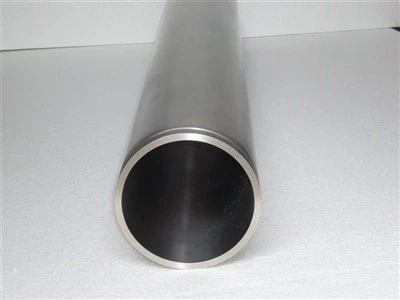
  • 5 Inch Titanium Seamle Tube

    5 Inch Titanium Seamle Tube

    A 5 inch titanium seamless tube is a high-quality and durable product that is made from high-grade titanium. This type of tubing is known for its strength and versatility, making it a popular choice

    Add to Inquiry
  • 50mm Titanium Tube Gr3

    50mm Titanium Tube Gr3

    50mm Titanium Tube Gr3 refers to a high-quality tube that is made of titanium grade 3 material and measures 50mm in diameter. The use of titanium in making this tube ensures its durability,

    Add to Inquiry
  • GR1, Gr2, GR5 Titanium Tubes Seamless

    GR1, Gr2, GR5 Titanium Tubes Seamless

    Titanium is an incredibly strong, lightweight, corrosion-resistant, and biocompatible metal that is widely used in aerospace, medical, and industrial applications. As a result, the demand for

    Add to Inquiry
First 1234567 Last 1/58
What is Titanium Tube?

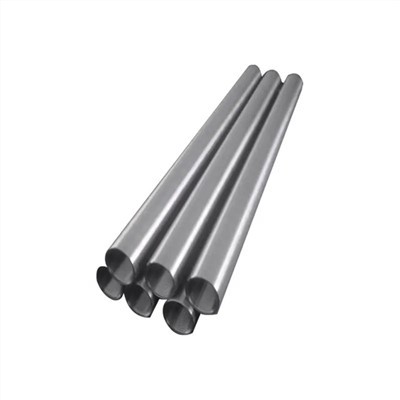
Titanium tube is a type of metal tube made from titanium, a high-strength, low-density metal that is known for its excellent corrosion resistance, biocompatibility, and high melting point. This tube is light in weight, strong, and durable, making it ideal for use in a wide range of applications, including aerospace, medical, marine, and chemical processing industries. It comes in a variety of sizes, shapes, and grades to meet specific requirements. Titanium tubes are often used in the manufacture of heat exchangers, exhaust systems, hydraulic systems, and structural components, among others.

Benefits of Titanium Tube
Titanium Tube
Titanium Tube
Titanium Tube
Titanium Tube

Corrosion resistance
Titanium is highly resistant to corrosion even in harsh environments. This makes it ideal for use in chemical processing plants, oil and gas facilities, and marine applications where exposure to saltwater is common. The resistance of titanium to corrosion also ensures that the tubes have a long lifespan, require minimal maintenance, and are less prone to leaks than pipes made of other materials.


Lightweight
Titanium is an extremely lightweight metal. As a result, titanium tubes are the perfect fit for industries where weight is an important consideration. Aerospace and aviation companies, for example, use titanium tubes for aircraft parts, such as landing gear, engine components, and hydraulic systems.


High strength
Although titanium is lightweight, it is strong and durable. It offers excellent tensile strength, making it ideal for industrial applications where strength is essential. Titanium tubing has a higher strength-to-weight ratio than steel, meaning it provides the same level of strength with less weight.


Biocompatibility
Titanium is biocompatible with the human body, meaning it does not react with biological fluids or tissues. This makes it a popular choice for medical applications such as implants and prosthetics. Titanium tubes are also used in the production of medical equipment, including surgical tools and dental instruments.


Thermal resistance
Titanium has excellent thermal resistance, meaning it can withstand high temperatures without deforming or melting. This makes it suitable for use in industries where high-temperature applications are common, such as in power generation facilities, boilers, and heat exchangers.


Conductivity
Titanium is an excellent conductor of heat and electricity. This makes it ideal for use in heat exchangers, radiators, and electrical components.


Aesthetic appeal
Titanium tubes have a unique and attractive appearance. The metal has a polished, reflective surface that gives it a high-end appearance. This makes it popular for use in architectural and design applications such as handrails, staircases, and furniture.


Low thermal expansion
Titanium has a low coefficient of thermal expansion, which means it does not expand or contract significantly with temperature changes. This makes it an ideal material for applications where thermal stability is important, such as in the construction of high-precision instruments.


Titanium Pipe

Types of Titanium Tube


1.Seamless titanium tubes
These tubes are seamless and made from pure titanium, and their best feature is their resistance to heat, chemicals, and corrosion. They are a great option in applications where cleanliness, purity, and corrosion resistance are of utmost importance. The tubes are easy to form, offer excellent ductility, and are resistant to stress corrosion cracking.


2.Welded titanium tubes
Welded titanium tubes are made by welding the titanium sheets or plates, making them an economical yet effective option for various industrial applications. They are more durable than seamless tubes and ideal for applications where strength, corrosion resistance, and toughness are crucial. This type of tube is a popular choice for heat exchangers, condensers, and boilers.


3.Titanium alloy tubes
These tubes are made with a blend of titanium and other metals like aluminum, vanadium, nickel, molybdenum, or niobium, giving them enhanced properties like high strength, formability, and corrosion resistance. Titanium alloy tubes are mostly used in the aerospace and marine industries, where high-performance materials are required, and where weight reduction and durability are significant.


4.Industrial titanium tubes
Industrial titanium tubes are standard types of tubes used in industries where their mechanical properties come in handy. They are available in various diameters, thicknesses, and lengths. Industrial tubes are commonly used in manufacturing equipment and machinery, oil rigs, and gas pipelines.


5.Medical titanium tubes
Medical titanium tubes are usually pure titanium tubes used in medical applications and implants. Their biocompatibility and non-allergic nature make them suitable for use in surgical implants and prostheses, such as hip joints, dental crowns, and spinal implants. They are designed to be lightweight, biocompatible, and corrosion-resistant.

Titanium Square Tubing


Material of Titanium Tube


Titanium tubes are made of titanium metal, which is a strong, lightweight and corrosion-resistant material. Titanium is a metal with a low density, high strength, and excellent resistance to corrosion even in harsh environments, making it an ideal choice for applications in the aerospace, medical, chemical, and other industries. It has a high melting point, excellent thermal and electrical conductivity, good ductility, and is biocompatible. Titanium tubes are often used in high-performance applications that require low weight, high strength, and excellent corrosion resistance. This type of material is highly desirable for use in the fabrication of aircraft parts, surgical implants, heat exchangers, and other critical applications where reliability is a key factor.


Application of Titanium Tube
 

Aerospace and aviation

Titanium tubes are extensively used in the aerospace and aviation industry due to their high strength-to-weight ratio and corrosion resistance. They are used in aircraft hydraulic systems, landing gear, structural components, exhaust systems, and fuel lines.

Medical industry

Titanium tubes are used in the medical industry for their biocompatibility properties. They are used in surgical implants, various medical instruments, and equipment.

Chemical processing

Titanium tubes are used in chemical processing applications due to their excellent corrosion resistance properties. They are used for heat exchangers, condensers, and other chemical reaction vessels.

Marine industry

Titanium tubes are used in the marine industry due to their excellent resistance to corrosion in saltwater environments. They are used in seawater desalination plants, heat exchangers, and other marine applications.

Power generation

Titanium tubes are used in power generation applications for their strength and corrosion resistance properties. They are used in heat exchangers, condensers, and other components in nuclear and fossil-fueled power plants.

Sports equipment

Titanium tubes are used in the manufacturing of high-performance sports equipment. They are used in the production of bicycle frames, golf club shafts, and tennis racket frames.


Process of Titanium Tube


Melting
The first step involves the melting of high-grade titanium metal in a furnace. The furnace is heated to a high temperature, and the titanium is melted until it becomes a liquid form. The liquid titanium is then poured into a casting mold. Alternatively, if the tube is made from plates, flat plates are cut from the titanium slab using water jet cutting technology.

Casting

The melted titanium is poured into molds to form different sizes and shapes of titanium tubes. The molds are designed to meet specific dimensions required by various industries that consume titanium products.

01

Extrusion

In this step, the solid titanium is forced through a die using a hydraulic press to create a hollow titanium tube with a uniform thickness. The extrusion process also enhances the strength of the tube and improves its mechanical properties.

02

Machining

The extruded titanium tube is then machined to achieve the required shape, size, and dimensions. It involves cutting, drilling, shaping, and polishing the titanium tube to meet the customer's specifications.

03

Heat treatment

The heat treatment process is used to increase the strength and durability of the titanium tube. The tube is heated to a specific temperature in a controlled environment and then cooled slowly to achieve the desired hardness.

04

Finishing

The final stage involves finishing the titanium tube by removing burrs, polishing, and cleaning. The tube is then inspected to ensure that it meets the customer's specifications and requirements.

05


Components of Titanium Tube


The components of a titanium tube can depend on the specific application, but generally, these tubes are made up of pure titanium or an alloy of titanium. They usually feature a seamless design and can come in a variety of shapes, such as round, square, or rectangular. They may also be available in different sizes and thicknesses to suit various purposes. Other components of titanium tubes include their surface finish, which may be polished and clean, or coated with various materials such as PTFE or nickel. Some titanium tubes may also come with additional features, such as flanges, connections, or fittings, to make installation and integration easier. The components of a titanium tube are carefully chosen and designed to provide reliable and long-lasting performance in a wide range of industries, including aerospace, medical, and manufacturing.


How to Maintain Titanium Tube?


Keep it clean

Regular cleaning is essential to get rid of dirt, dust, and debris that can accumulate on the surface of the titanium tube. Use a soft cloth or sponge with mild soap and warm water to clean the surface. Avoid using harsh chemicals, abrasive materials, or steel wool that can scratch or damage the surface.

 
Avoid exposure to heat and sunlight

Titanium tube can withstand high temperatures, but it is essential to avoid prolonged exposure to extreme heat or direct sunlight. It can cause discoloration or oxidation of the surface. Store the tube in a cool and dry place to make sure it is not exposed to heat and sunlight.

 
Handle with care

Titanium tube is a brittle material and can crack or break easily if handled roughly. Use proper handling equipment and techniques to avoid any damage. It is essential to avoid dropping or hitting the tube against any hard surface.

 
Check for corrosion

Although titanium is highly resistant to corrosion, it is not entirely immune to it. Regularly check the surface for signs of corrosion such as discoloration, rust, or pitting. If you notice any corrosion, use a suitable chemical treatment or consult a professional for help.

 
Lubricate the fittings

If the titanium tube is used in a system with fittings, make sure to lubricate them regularly. It will ensure a smooth operation and prevent any wear or damage to the tube.

 
Inspect for cracks

Regularly inspect the titanium tube for any cracks, dents, or deformities. It is essential to detect any defects early to prevent any catastrophic failure or damage to the tube.


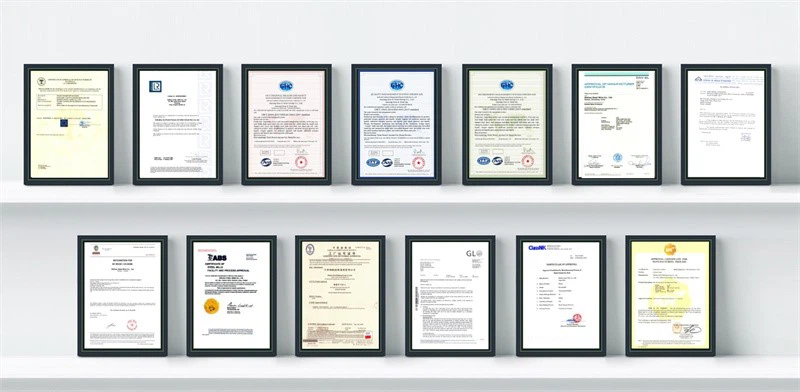
Certifications


productcate-1-1productcate-1-1


Our Factory


GNEE Metals has been around for 15 years. Located in Anyang City, Henan Province. At present, it has over 100 employees and covers an area of about 35000 square meters. We have independent production factories and processing workshops, and also cooperate with major factories, which can not only meet your customized requirements, but also accept large orders.


productcate-815-265

productcate-1-1


FAQ


Q: What is a titanium tube?

A: A titanium tube is a hollow cylindrical structure made from titanium material, known for its strength, corrosion resistance, and low density.

Q: What are the applications of titanium tubes?

A: Titanium tubes are used in a variety of industries including aerospace, medical, and industrial applications. They are used in aircraft components, heat exchangers, pressure vessels, bicycle frames, orthopedic implants, and more.

Q: What grades of titanium are commonly used in tubes?

A: The most commonly used titanium grades for tubes are Grade 2 and Grade 5. Grade 2 is pure titanium, while Grade 5 is an alloy of titanium and aluminum.

Q: What are the benefits of using titanium tubes?

A: Titanium tube offers various benefits over other materials, including high strength-to-weight ratio, corrosion resistance, biocompatibility, thermal and electrical conductivity, and excellent performance at high and low temperatures.

Q: Can titanium tubes be welded?

A: Yes, titanium tubes can be welded using different welding processes such as TIG (tungsten inert gas) welding, MIG (metal inert gas) welding, and plasma arc welding. However, welding titanium requires specific techniques and precautions as it is highly reactive and can easily damage or contaminate. Welding experts should handle titanium welding to ensure safety and quality.

Q: How are titanium tubes manufactured?

A: Titanium tubes are manufactured using processes such as extrusion, seamless rolling, and welding. Each method has its own advantages and disadvantages, depending on the application.

Q: What are the standard sizes of titanium tubes?

A: Titanium tubes come in a variety of standard sizes depending on their intended use. For industrial applications, the most common sizes are 1/8 inch to 1 inch in diameter, with a wall thickness of 0.008 to 0.065 inches. Medical-grade titanium tubes usually have diameters ranging from 2 millimeters (0.08 inches) to 30 millimeters (1.18 inches) and wall thicknesses ranging from 0.2 millimeters (0.008 inches) to 2 millimeters (0.08 inches). Aerospace-grade titanium tubes come in a range of diameters from 0.375 inches to 4 inches and wall thicknesses ranging from 0.028 inches to 0.25 inches.

Q: Are titanium tubes expensive?

A: Titanium is generally more expensive than other metals like steel or aluminum due to its rarity and difficulty in extracting and processing. The cost of a titanium tube may also depend on factors such as the size, grade, and quantity needed. It is best to check with manufacturers or suppliers for specific pricing information.

Q: How do I select the right titanium tube for my application?

A: The selection of titanium tube depends on factors such as the intended use, the required strength, corrosion resistance, and thermal conductivity. It's important to consult with a knowledgeable supplier or engineer to determine the appropriate grade and size for your specific application.

Q: What are the common sizes and dimensions of titanium tube?

A: Titanium tube comes in various sizes and dimensions, including diameter, wall thickness, length, and shape. The typical diameter range is from 0.5 inches to 12 inches, and the wall thickness can range from 0.016 inches to 0.5 inches.

Q: How is titanium tube manufactured?

A: Titanium tube is manufactured using a variety of methods, such as seamless extrusion, welding, and rolling. Seamless extrusion involves pushing a cylindrical billet of titanium through a die to form a seamless tube, while welding involves joining two or more pieces of titanium sheet or plate into a tube using a welding process. Rolling involves taking a flat piece of titanium and rolling it into a cylindrical shape.

Q: What are the grades of titanium used in tube production?

A: There are numerous grades of titanium used in tube production, each with unique properties and characteristics. The most commonly used titanium grades for tubes are commercially pure titanium grades 1-4 and titanium alloy grades 5 and 9.

Q: What are the factors to consider when selecting titanium tube?

A: The selection of titanium tube depends on the application, design requirements, and environmental conditions. Some of the factors to consider include
titanium grade, size and dimensions, wall thickness, corrosion resistance, mechanical properties, biocompatibility, and cost.

Q: What industries use titanium tubes?

A: Titanium tubes are used in a wide range of industries, including aerospace, chemical processing, medical, automotive, and sports equipment manufacturing. They are also used in nuclear power plants, marine applications, and architecture and construction.

Q: What is the process of manufacturing a titanium tube?

A: The process of manufacturing a titanium tube involves melting the titanium metal into a billet, which is then extruded into a tube form. The tube is then processed through various heat treatment and finishing processes to achieve the desired properties and dimensions.

Q: What is the cost of a titanium tube?

A: The cost of a titanium tube can vary depending on factors such as the size, type, and grade of titanium used, as well as the quantity needed. Generally speaking, titanium tubes can be more expensive than other metals, but their benefits make them worthwhile for certain applications.

Q: Can titanium tubes be customized?

A: Yes, titanium tubes can usually be customized according to specific requirements and specifications. Customization can include variations in diameter, thickness, length, and shape, as well as the application of specialized coatings or finishes. Customization is often necessary for specialized applications such as aerospace, medical devices, or industrial machinery. It is important to work with a reputable and experienced manufacturer or supplier that can provide high-quality customized titanium tubes that meet the required specifications and standards.

Q: How long do titanium tubes last?

A: Titanium tubes are known for their durability and long lifespan. With proper handling and maintenance, they can last for decades even under extreme conditions.

Q: How do I clean and maintain my titanium tube?

A: To clean and maintain a titanium tube, use a mild soap and water solution, followed by wiping with a clean, soft cloth. Avoid using harsh chemicals or abrasive materials that may scratch or damage the surface of the tube.

Q: How are titanium tubes typically transported?

A: Titanium tubes can be transported using a variety of methods, including truck, train, or sea transport. The shipping method depends on the size and quantity of the tubes being transported.

We're professional titanium tube manufacturers and suppliers in China, specialized in providing high quality customized service. We warmly welcome you to buy cheap titanium tube in stock here and get free sample from our factory. Good service and low price are available.

goTop

(0/10)

clearall