Gnee Steel (tianjin) Co., Ltd

Titanium Sheet

Company Profile

Gnee steel group is a supply chain integrated enterprise including steel plate, coil, profile, outdoor landscape design and processing. Founded in 2008, with 5 million RMB registered capital, Gnee has made impressive progress and development in steel market with Gnee People more than 10 years hard fighting. At present, the total investment amount reaches 30 million RMB, workshop area more than 35000㎡, with over 200 employees. Gnee is becoming the most professional international steel supply chain company in China central plains with explicit strategic framework, integrated governance structure, firm management foundation, abundant fund and human power.
Gnee steel group is a professional one-stop supply chain company for steel products in China. The copper and titanium technology has reached the world average technology level and has been approved by dozens of project companies to be the star company in Asia1

1.One-stop solution

We can offer a range of services, from consultation and advice to product design and delivery. It is a convenience for the customers, as they can get all the help they need in one place.

2.Rich experience

Dedicated to strict quality control and attentive customer service, our experienced staff is always available to discuss your requirements and ensure complete customer satisfaction.

3.Quality control

We have professional personnel to monitor the production process, inspect the products and ensure that the final product meets the required quality level standards, guidelines and specifications.

  • Gr1 Titanium Alloy Plate

    Gr1 Titanium Alloy Plate

    Our materials are designed to be strong, durable, and resistant to wear and tear, ensuring that they can stand up to even the toughest conditions. At our manufacturing facilities, we use

    Add to Inquiry
  • Industrial Pure Titanium TA2 Sheet

    Industrial Pure Titanium TA2 Sheet

    Titanium is a lightweight, strong, and corrosion-resistant metal. It has a low density, making it lighter than steel, but still incredibly strong. It is also non-magnetic and non-toxic, making it an

    Add to Inquiry
  • Thin TA10 Titanium Sheet

    Thin TA10 Titanium Sheet

    Introducing the TA10 Titanium Plate - a high-performance titanium alloy designed for various industrial applications. The TA10 Titanium Plate is composed of 90% titanium, 6% aluminum, and 4%

    Add to Inquiry
  • ASTM B265 Grade 9 Titanium Sheet

    ASTM B265 Grade 9 Titanium Sheet

    ASTM B265 Grade 9 Titanium Sheet is a high-quality titanium sheet that is commonly used in aerospace, medical, and industrial applications. It is made of Grade 9 titanium, which is a titanium alloy

    Add to Inquiry
  • High Pure Gr9 Titanium Sheet

    High Pure Gr9 Titanium Sheet

    High Pure Gr9 Titanium Sheet is a state-of-the-art product that is widely known for its outstanding properties and characteristics. This type of titanium sheet is made from premium-quality Gr9

    Add to Inquiry
  • Titanium Sheet 150mm Grade 5

    Titanium Sheet 150mm Grade 5

    Titanium Sheet 150mm Grade 5 is a high-quality metal sheet produced using advanced manufacturing techniques. It is a durable and lightweight material that is resistant to corrosion, making it an

    Add to Inquiry
  • Gr2 Titanium Sheet 3 mm

    Gr2 Titanium Sheet 3 mm

    Gr2 Titanium Sheet 3 mm is a premium-quality product that is highly sought-after in various industries. This sheet is made from high-quality titanium and has a thickness of 3mm, which makes it an

    Add to Inquiry
  • Gr2 Titanium Sheet 5mm

    Gr2 Titanium Sheet 5mm

    Gr2 Titanium Sheet 5mm is a premium-grade sheet that is highly valued in the manufacturing industry. It is made from high-quality titanium alloy materials, which make it durable, strong, and

    Add to Inquiry
  • Grade1 Gr.1 Commercially Pure Titanium Sheet

    Grade1 Gr.1 Commercially Pure Titanium Sheet

    Grade 1, also known as Gr. 1, is a commercially pure titanium sheet that is widely used in various industries due to its excellent corrosion resistance and high strength-to-weight ratio. It is the

    Add to Inquiry
  • TC4 Titanium Alloy Plate

    TC4 Titanium Alloy Plate

    TC4 titanium alloy plate is a high-quality material that is widely used in various industries because of its excellent properties. It is a type of titanium alloy that contains a mixture of titanium,

    Add to Inquiry
  • Astm F136 Grade 2 Titanium Sheets

    Astm F136 Grade 2 Titanium Sheets

    Astm F136 Grade 2 Titanium Sheets are high-quality products made from titanium, a metal known for its strength, durability, and corrosion resistance. These sheets are widely used in various

    Add to Inquiry
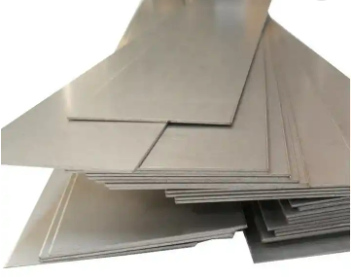
  • Titanium Plate Gr1

    Titanium Plate Gr1

    Titanium Plate Gr1 is a high-strength, lightweight, and corrosion-resistant metal product widely used in fields such as aerospace, shipbuilding, and chemical engineering.

    Add to Inquiry
First 1234567 Last 1/50
What is Titanium Sheet?

Titanium sheet is a thin, flat piece of material made from pure or alloyed titanium. It is commonly used in applications that require high strength and corrosion resistance, including aerospace, medical, and chemical processing industries. The sheet can be formed into various shapes and sizes, and its properties can be customized depending on the specific application requirements. Titanium sheets are typically produced through processes such as hot or cold rolling, and can be finished with different textures, coatings, and treatments to enhance their performance.

Benefits of Titanium Sheet
TC4 Titanium Alloy Plate
1mm Titanium Grade 1 Plate
Titanium Plate Gr1
Titanium Gr1 Metal Sheet

Superior strength
Titanium is one of the strongest metals in the world, and titanium sheet is no exception. It boasts an impressive strength-to-weight ratio that makes it ideal for use in applications where durability and strength are critical.


Lightweight
Despite its tremendous strength, titanium is surprisingly lightweight. This property makes titanium sheet an excellent choice for applications that require a high strength-to-weight ratio, such as aerospace and automotive applications.


Corrosion resistance
Titanium is highly resistant to corrosion, providing long-lasting durability and strength. This allows for titanium sheet to be used in harsh environments, such as marine and chemical industries, without fear of degradation.


Biocompatibility
Titanium is a biocompatible metal that is often used in medical implants due to its low reactivity to the human body. Titanium sheet is used in applications such as bone plates, dental implants, and artificial joints.


Heat resistance
One of the most impressive properties of titanium sheet is its ability to withstand high temperatures. It can withstand temperatures up to 600 degrees Celsius, making it an ideal choice for high-temperature applications like jet engines and gas turbines.


Aesthetic appeal
Titanium sheet has a unique and attractive appearance that makes it a popular choice for decorative applications such as jewelry, watches, and other designer accessories.


Non-magnetic and non-toxic
Titanium is non-magnetic and non-toxic, which makes it suitable for use in sensitive applications like MRI equipment, medical implants, and electronics manufacturing. It does not interfere with magnetic fields, measurements, or electronic signals, making it a reliable choice for critical applications.


Ease of fabrication
Titanium sheet can be easily fabricated using traditional metalworking techniques like cutting, bending, and welding. This makes it easy to manufacture customized components or prototypes without compromising performance or quality.


Direct Sales GR5

Types of Titanium Sheet


1.Commercially pure titanium sheet
This type of titanium sheet is made up of over 99% pure titanium metal and is the most commonly used material. It has excellent corrosion resistance, good weldability, and high strength. It is commonly used in the aerospace, chemical processing, and medical industries.


2.Titanium alloy sheet
This type of titanium sheet is made up of a mixture of titanium and other metals such as aluminum, vanadium, and molybdenum. The purpose is to enhance specific properties of the titanium, such as strength or corrosion resistance. Different titanium alloys have varying properties and applications, making them ideal for aerospace, marine, or medical-related products.


3.Ultra-high purity titanium sheet
This type of titanium sheet is made from ultra-pure titanium, with a purity of over 99.9%. It is commonly used in the semiconductor industry, where even small impurities can negatively impact the performance of the finished product.


4.Titanium clad sheet
This type of titanium sheet is made by bonding a layer of titanium to another metal, such as stainless steel, copper, or aluminum. It combines the specific properties of each material, making it ideal for many industrial applications.


5.Rolled titanium sheet
This type of titanium sheet is produced by rolling the metal into thin sheets using a rolling mill. The dimensions of the sheet can vary depending on the thickness required for the specific application.


6.Titanium foil
This type of titanium sheet is extremely thin, with a thickness of less than 0.05mm. It is ideal for use in the aerospace industry for applications such as aerospace engines and satellites.

0.8mm Ti6Al4V Bar Titanium Grade 5


Titanium Square Tubing


Material of Titanium Sheet

Titanium sheet is typically made from pure titanium or titanium alloy, which is a combination of titanium with one or more other metals such as aluminum, vanadium, or nickel. The specific material used depends on the desired properties of the sheet, such as strength, corrosion resistance, and thermal stability. The most commonly used titanium alloys for sheet fabrication are Ti-6Al-4V (Grade 5), Ti-6Al-4V ELI (Grade 23), and CP Grade 2. These materials are well-suited for aerospace, medical, and industrial applications due to their high strength, corrosion resistance, and biocompatibility. The sheets are usually cold-rolled or hot-rolled and have a thickness ranging from 0.5 mm to 50 mm.


Application of Titanium Sheet


Aerospace and defense
Titanium sheets are widely used in the aerospace and defense industries due to their strength-to-weight ratio and corrosion resistance. They are used in the construction of aircraft components, weapons, and armor plating.

Medical

Titanium is biocompatible, which means it does not react with human tissue. This property makes it an ideal material for medical implants, including orthopedic implants and dental implants.

01

Chemical processing

Titanium has excellent resistance to corrosion, making it a perfect material for chemical processing equipment. It is used in heat exchangers, storage tanks, and reactors for processing corrosive chemicals.

02

Marine

Titanium sheets are commonly used in marine applications due to their resistance to saltwater corrosion. They are used in the construction of boats, submarines, and offshore drilling equipment.

03

Architecture

Titanium sheet is a popular material for architectural applications due to its unique aesthetic properties. It is used in the construction of buildings, roofing, and cladding systems.

04

Sports equipment

Titanium is a lightweight and durable material that is commonly used in the construction of sports equipment, including golf clubs, tennis rackets, and bicycle frames.

05


Process of Titanium Sheet


Melting the titanium
The first step in the process of making titanium sheet is to melt the titanium. It is melted in a vacuum arc furnace or an electron beam furnace. These furnaces create a vacuum environment to prevent contamination of the titanium by oxygen or other gases.


Forming titanium ingots
Once the titanium is melted, it is poured into molds to form titanium ingots. These ingots are allowed to cool down and solidify. The ingots are usually cylindrical in shape and can weigh anywhere from several kilograms to several tons.


Forging and rolling the ingots
Once the ingots have solidified, they are removed from the molds and subjected to forging and rolling. The ingots are heated to a specific temperature and forged using a hydraulic press. This process helps to reduce the size of the ingot and shape it into a more usable form.


Annealing the forged and rolled ingots
The forged and rolled ingots are then annealed to improve their ductility and reduce internal stresses. Annealing involves heating the ingot to a specific temperature and holding it for a certain amount of time before cooling it slowly.


Cutting the ingots
The annealed ingots are then cut into smaller sections using saws or other cutting tools. These smaller sections can be further processed into titanium sheet using various methods such as rolling, drawing, or stamping.


Rolling the titanium sheets
Rolling is the most common method used to produce titanium sheet. The smaller sections of annealed titanium are fed through a series of rollers that gradually reduce the thickness of the material. The rollers are adjusted to produce sheet of a specific thickness.


Finishing the titanium sheet
Once the titanium sheet has been rolled to the desired thickness, it is treated to remove any surface imperfections. This process, known as surface finishing, involves grinding, sanding, and polishing the surface of the sheet to achieve a smooth, even finish.


Certification and quality control
Before the titanium sheet is released for sale, it must undergo several quality control checks and certification processes to ensure that it meets the required industry standards. These checks include chemical analysis, tensile strength testing, and surface inspection.


Components of Titanium Sheet


Titanium Sheet is made up of pure titanium and various alloys that offer a combination of high strength, light weight, and excellent corrosion resistance. It comprises primarily of titanium along with small amounts of other elements such as aluminum, vanadium, and molybdenum. The mechanical properties of Titanium Sheet are determined by the specific alloy content and its heat treatment, making it suitable for use in a wide range of applications such as aerospace, medical, and chemical industries. Additionally, Titanium Sheet offers excellent compatibility with the human body, making it an ideal material for medical implants.


How to Maintain Titanium Sheet
 
 
Keep the surface clean

One of the essential things to maintain titanium sheets is to keep them clean. Dirt, grime, and other impurities can affect the metal's properties and make it prone to corrosion. You can use a soft cloth or a sponge with mild detergent to clean the surface. Avoid using abrasive cleaners, steel wool, or scouring pads as they can scratch the surface and cause damage.

 
Protect from exposure to chemicals

Titanium is resistant to many chemicals, but it is still prone to damage when exposed to certain chemicals. Avoid exposing titanium sheets to acids, alkalis, chlorine, and other harsh chemicals. If you work in an environment where the sheets are exposed to chemicals, make sure you clean them regularly, and use protective coatings to prevent any damage.

 
Store properly

Titanium sheets are prone to scratches and dents if not stored properly. Store them in a dry, cool place to prevent any moisture or oxidation. Use protective covers or wraps to prevent any scratches or dents during storage or transportation.

 
Avoid high temperatures

Titanium sheets can withstand high temperatures, but excessive or sudden changes in temperature can cause damage to the metal. Avoid exposing the sheets to extreme heat or cold, and allow them to cool down gradually after any high-temperature work.

 
Check for signs of corrosion

Although titanium has excellent resistance to corrosion, it is still prone to certain types of corrosion, like crevice corrosion, galvanic corrosion, and pitting. Regularly inspect the sheets for any signs of corrosion, like discoloration or pitting, and take corrective action immediately.


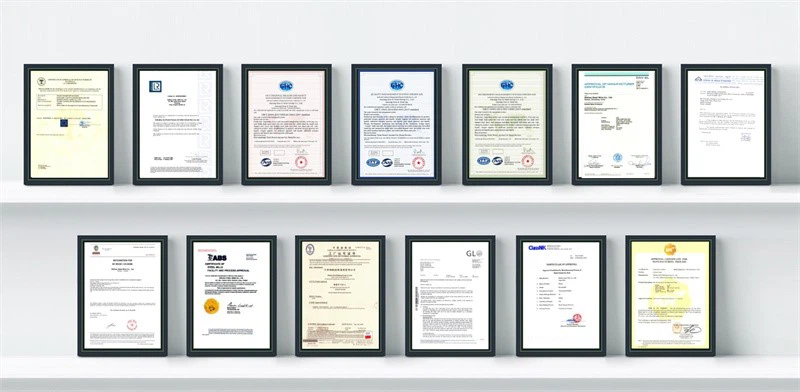
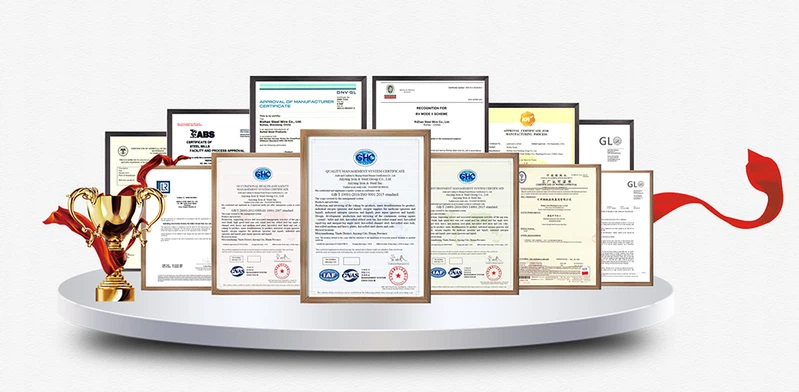
Certifications


productcate-1-1productcate-1-1


Our Factory


GNEE Metals has been around for 15 years. Located in Anyang City, Henan Province. At present, it has over 100 employees and covers an area of about 35000 square meters. We have independent production factories and processing workshops, and also cooperate with major factories, which can not only meet your customized requirements, but also accept large orders.


productcate-815-265

productcate-1-1


FAQ


Q: What is titanium sheet?

A: Titanium sheet is a flat, thin piece of metal made from titanium that is commonly used in various industries such as aerospace, medical, and chemical processing.

Q: What are the benefits of using titanium sheet?

A: The benefits of using titanium sheet include high strength-to-weight ratio, corrosion resistance, biocompatibility, non-toxicity, and good thermal and electrical conductivity. It is also easy to machine and weld, making it a popular material in manufacturing applications.

Q: What are the different grades of titanium sheet available?

A: There are several grades of titanium sheet, each with different properties suited for specific applications. The most common grades of titanium sheet are Commercially Pure (CP) grades 1, 2, 3, and 4, as well as the popular alloy Ti-6Al-4V.

Q: What is the thickness of titanium sheet available?

A: Titanium sheet is available in various thicknesses ranging from 0.003 inches (0.0762 mm) to 0.1875 inches (4.7625 mm), depending on the manufacturer and the intended application. Thicker sheets can also be custom ordered.

Q: How is titanium sheet fabricated?

A: Titanium sheet is made by a process called hot rolling or cold rolling. In hot rolling, the metal is heated to a high temperature and then passed through a set of rollers to form a flat sheet. In cold rolling, the metal is first annealed and then passed through rollers at room temperature to form a sheet.

Q: What are the common applications of titanium sheet?

A: Titanium sheet is used in a variety of industries, such as aerospace, medical, chemical, and marine. It is commonly used for manufacturing parts like aircraft components, medical implants, chemical processing equipment, and marine equipment.

Q: Is titanium sheet expensive?

A: In general, titanium is known to be an expensive material, and titanium sheet is typically more expensive than other metal sheets such as aluminum and steel due to its properties such as high corrosion resistance, strength, and low density.

Q: What are the maintenance requirements for titanium sheet?

A: Titanium sheet is generally low maintenance due to its corrosion resistance. However, it may require occasional cleaning to remove dirt or smudges. Care must be taken to avoid scratching the surface, as this can affect its corrosion resistance.

Q: What is titanium sheet used for?

A: Titanium sheet is used in a wide range of applications, including aerospace, medical implants, marine and chemical processing, high-performance racing cars and other sports equipment, and electronics.

Q: What sizes are available for titanium sheet?

A: Titanium sheets are available in various sizes ranging from 0.5 mm thickness to 100 mm thickness. The standard sizes available in the market are 1000mm x 2000mm, 1220mm x 2440mm, and 1500mm x 3000mm. Custom sizes can also be requested from manufacturers or suppliers.

Q: Is titanium sheet expensive?

A: Yes, titanium sheet is relatively expensive compared to other metals due to the difficult and time-consuming process of extracting and refining titanium from its ores.

Q: Can titanium sheet be welded?

A: Yes, titanium sheet can be welded using various welding techniques such as gas tungsten arc welding (GTAW) or tungsten inert gas (TIG) welding, plasma arc welding (PAW), and electron beam welding (EBW). However, welding titanium requires a high degree of skill and knowledge due to its unique properties such as high melting point, low thermal conductivity, and high reactivity with oxygen and nitrogen. Proper preparation, shielding, and post-weld heat treatment are necessary to avoid contamination and achieve sound welds.

Q: What is the difference between commercial grade and aerospace grade titanium sheet?

A: Aerospace grade titanium sheet is produced to more stringent specifications and has higher quality control standards than commercial grade titanium sheet. Aerospace grade titanium sheet is also lighter in weight and has better strength, toughness, and resistance to fatigue than commercial grade titanium sheet.

Q: Can titanium sheet be machined?

A: Yes, titanium sheet can be machined using specific tools and techniques. However, because of its high strength and hardness, machining titanium sheet can be challenging and requires expertise and specialized equipment.

Q: What types of surface finishes are available for titanium sheet?

A: Titanium sheet can be finished with various surface treatments, including polishing, buffing, chemical etching, and anodizing. These surface finishes can enhance the appearance, corrosion resistance, and wear resistance of titanium sheet.

Q: How is the quality of titanium sheet assured?

A: The quality of titanium sheet is assured through rigorous testing and inspection procedures, including visual inspection, ultrasonic testing, x-ray testing, and chemical analysis. Manufacturers also perform various mechanical and physical tests, such as tensile testing, hardness testing, and corrosion resistance testing, to ensure the quality of titanium sheet.

Q: Can titanium sheet be recycled?

A: Yes, titanium sheet can be recycled and reused, as it retains its properties even after being melted down and reformed. Recycling titanium also helps to reduce the environmental impact of mining and producing new titanium.

Q: What are the properties of titanium sheet?

A: Titanium sheet is known for its excellent strength-to-weight ratio, corrosion resistance, high melting point, and biocompatibility. It is also non-magnetic, non-toxic, and has good thermal and electrical conductivity.

Q: How can I protect my titanium sheet from corrosion?

A: There are several ways to protect a titanium sheet from corrosion, including using coatings or surface treatments like anodizing or passivating, using sacrificial coatings like zinc or aluminum, employing cathodic protection, applying impressed current techniques, and monitoring and controlling the environment around the titanium sheet to prevent exposure to corrosive substances. Implementing effective corrosion prevention measures will help extend the lifespan and durability of the titanium sheet.

Q: How are titanium sheets cut?

A: Titanium sheets are cut using a variety of methods depending upon the thickness and application. One commonly used method is waterjet cutting, in which a high-pressure stream of water is used to cut through the titanium sheet. Another method is laser cutting, which uses a focused beam of light to melt and vaporize the titanium in a precise pattern. Plasma cutting uses an ionized gas to melt and sever the metal, while shearing is done with a sharp blade that slices through the sheet. The method used depends upon the thickness of the sheet, the precision required, and the type of equipment available.

We're professional titanium sheet manufacturers and suppliers in China, specialized in providing high quality customized service. We warmly welcome you to buy cheap titanium sheet in stock here and get free sample from our factory. Good service and low price are available.

TU1 76mm Copper Pipe, 8mm t2 Copper Pipe, C12200 Copper Tube
goTop

(0/10)

clearall