Gnee Steel (tianjin) Co., Ltd

Titanium Foil

Company Profile

Gnee steel group is a supply chain integrated enterprise including steel plate, coil, profile, outdoor landscape design and processing. Founded in 2008, with 5 million RMB registered capital, Gnee has made impressive progress and development in steel market with Gnee People more than 10 years hard fighting. At present, the total investment amount reaches 30 million RMB, workshop area more than 35000㎡, with over 200 employees. Gnee is becoming the most professional international steel supply chain company in China central plains with explicit strategic framework, integrated governance structure, firm management foundation, abundant fund and human power.


Gnee steel group is a professional one-stop supply chain company for steel products in China. The copper and titanium technology has reached the world average technology level and has been approved by dozens of project companies to be the star company in Asia.

1.One-stop solution

We can offer a range of services, from consultation and advice to product design and delivery. It is a convenience for the customers, as they can get all the help they need in one place.

2.Rich experience

Dedicated to strict quality control and attentive customer service, our experienced staff is always available to discuss your requirements and ensure complete customer satisfaction.

2.Quality control

We have professional personnel to monitor the production process, inspect the products and ensure that the final product meets the required quality level standards, guidelines and specifications.

First 1234 Last 1/4
What is Titanium Foil?

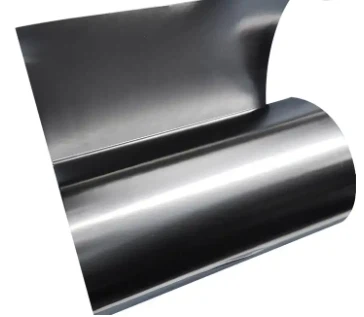
Titanium foil is a thin sheet of titanium metal, characterized by its excellent strength-to-weight ratio, corrosion resistance, and biocompatibility. It is commonly used in various applications, including aerospace, medical equipment, nuclear reactors, and chemical processing. The thin foil is typically produced by cold rolling, and the thickness can range from a few micrometers to several millimeters, depending on the intended use.

Benefits of Titanium Foil
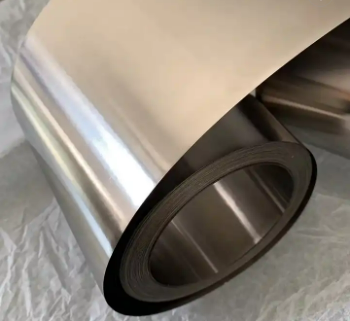
ASTM B265 Cold Rolled Gr2 Titanium Foil
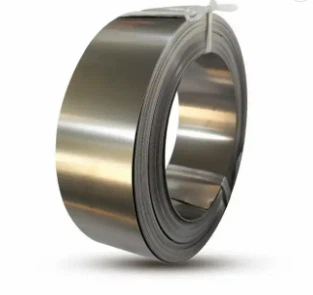
Gr1 Titanium 0.5 mm Foil
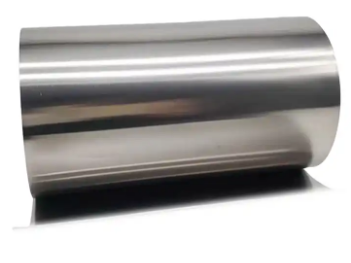
Ti 6al 4v Titanium Foil
ASTM B265 Gr1 0.03mm Titanium Foil

High strength-to-weight ratio
One of the significant benefits of titanium foil is its high strength-to-weight ratio. It is one of the strongest, lightest, and most durable metals on earth, making it ideal for several industrial applications, especially the aerospace industry. With a density of 4.5 g/cm³, titanium foil is lighter than steel but has a higher strength-to-weight ratio.


Corrosion resistance
Another top benefit of titanium foil is its remarkable resistance to corrosion. Pure titanium and titanium alloys can withstand harsh environments, including extreme temperatures, acidic and basic solutions, and seawater. This unique property makes it a popular material in the medical and marine industries. Titanium implants are used in surgical procedures because of their innate biocompatibility, corrosion resistance, and ability to integrate with body tissues better than other materials.


High melting point
Titanium also has a high melting point (1,668 °C), which enables it to resist overheating and maintain its mechanical properties at high temperatures. This property makes it a top choice in the aerospace industry, where it is used in the manufacturing of engine parts, blades, and structural components that are subjected to high temperatures.


Durability
Titanium is an incredibly durable material, which means that it is resistant to wear and tear. This property makes it ideal for use in several industrial applications, such as in the production of sports equipment, orthopedic implants, and automotive parts.


Non-magnetic
Titanium is non-magnetic, which makes it a suitable material for MRIs and other medical diagnostic tools that utilize magnetic fields. Also, titanium jewelry does not interfere with pacemakers or other medical devices.


Environmental friendliness
Titanium is an environmentally friendly material because it is 100% recyclable. Even though the titanium extraction process can be energy-intensive, the material's longevity and ability to be recycled make it a sustainable choice.


Types of Titanium Foil

The company conducted a competitive advantage analysis to identify its strengths and weaknesses compared to its rivals.

Commercially pure titanium foil

This type of titanium foil is made up of pure titanium and is typically supplied as grade 1, grade 2, and grade 3. It is highly corrosion-resistant, ductile, and malleable, and is commonly used in industries such as aerospace, medical, and chemical.

01

Titanium alloys fol

These are titanium alloys that are usually made by adding small amounts of other metals such as aluminum, vanadium, or molybdenum to pure titanium. The addition of these metals improves its strength, hardness, and toughness. These foils are ideal for applications that require high strength and resistance to wear and tear.

02

Medical grade titanium foil

This type of titanium foil is used mainly for medical applications such as implants and surgical instruments. Medical grade titanium is highly biocompatible, corrosion-resistant, and has excellent strength-to-weight ratio. Medical-grade titanium is also known as Ti-6Al-4V-ELI.

03

Thin titanium foil

This type of titanium foil is available in thicknesses ranging from 0.001 to 0.015-inch and is used in various industrial applications. Thin titanium foil is commonly used in the electronics industry, where it serves as a base material for circuit boards and other devices.

04

Ultra-thin titanium foil

Ultra-thin titanium foil is available in thicknesses ranging from 0.0005 to 0.010-inch and is used in high-tech applications such as aerospace, medical, and electronics. This type of foil is ideal for applications that require high strength, durability, and resistance to wear and tear.

05


ASTM B280 Air Conditioning & Refrigeration Tube

Material of Titanium Foil


Titanium foil is typically made out of pure titanium or titanium alloys. The most commonly used titanium alloys for foil production include Ti-6Al-4V (ASTM Grade 5), Ti-5Al-2.5Sn (ASTM Grade 6), and Ti-3Al-2.5V (ASTM Grade 9). These alloys consist of varying percentages of titanium, aluminum, vanadium, and tin, which provide different mechanical properties such as strength, ductility, and corrosion resistance. The purity of titanium foil may vary depending on the manufacturing process and the specific application it will be used for.


Application of Titanium Foil


Aerospace industry

Titanium foils are extensively used in the aerospace industry for manufacturing various components such as airplane parts, rocket engines, and spacecraft parts. Due to its high strength-to-weight ratio, titanium foil is an ideal material for these applications. Titanium foil is also highly resistant to corrosion, making it perfect for use in harsh environments.

01

Medical industry

Titanium foil is widely used in the medical industry for manufacturing surgical tools, dental implants, pacemaker cases, and other implants. These applications require a material that is biocompatible, strong, and lightweight, making titanium foil an ideal choice. Titanium is also inert, meaning it does not react with body fluids or tissues, making it a perfect choice for medical implants.

02

Chemical processing industry

Due to its excellent corrosion resistance and high temperature resistance, titanium foil is used in the chemical processing industry for manufacturing various chemical processing equipment. This equipment includes heat exchangers, reactors, and pressure vessels. The use of titanium foil ensures long service life and high productivity of the equipment.

03

Electronics industry

Titanium foil is used in the electronics industry for manufacturing electronic components. These components include capacitor plates, semiconductor packages, and printed circuit boards. Titanium foil is highly conductive and can withstand high temperatures, making it an ideal choice for these applications.

04

Sports industry

Titanium foil is used in sports equipment manufacturing such as golf clubs, tennis rackets, and bicycle frames. Titanium foil provides excellent strength-to-weight ratio, making the equipment lighter without compromising on strength.

05


Process of Titanium Foil


Titanium foil is produced by a process known as rolling. The process involves the following steps:
1.Melting the titanium: The first step in the process is melting the titanium in a furnace. The melting point of titanium is around 1668°C (3034°F). Once the titanium has melted, it is poured into a casting mold to produce billets.


2.Hot rolling: The billet is heated to around 1100°C (2012°F) and then it is passed through a hot rolling mill. The rolling mill consists of a series of rollers that gradually reduce the thickness of the titanium billet. The hot rolling process reduces the thickness of the billet to around 4-5mm.


3.Cold rolling: The hot rolled titanium is now cold rolled to achieve the required thickness of the foil. The titanium is passed through a series of rollers which apply pressure to reduce its thickness. The cold rolling process can reduce the thickness of the titanium to as thin as 0.025mm.


4.Annealing: The rolled titanium is now annealed, which involves heating it to a high temperature and then slowly cooling it down. Annealing relieves internal stress and makes the titanium more ductile.


5.Finishing: The final step involves cleaning and cutting the titanium foil to the required size. The foil may be further processed by surface treatment, such as anodizing, to improve its corrosion resistance.
Titanium foil has a wide range of applications due to its excellent strength-to-weight ratio and corrosion resistance. It is commonly used in the aerospace industry for lightweight structures, electrical contacts, and thermal insulation. It is also used in the medical and chemical industries for its biocompatibility and resistance to chemical corrosion.


Components of Titanium Foil

Titanium foil is a thin sheet of titanium metal that is used in a wide range of applications, from aerospace engineering to medical devices. It is a popular material due to its excellent strength-to-weight ratio, high corrosion resistance, and biocompatibility. Below are the components of titanium foil in more detail.

Titanium Square Tubing
Price Per Kg Grade 5 Titanium Alloy Rod Titanium Ti6Al4V Grade 23 Bar
Titanium Round Bars Tc4 Grade 5 Titanium Bar For Sale
ASME B348 Round CP2 CP4 GR1 GR2

Titanium
The primary component of titanium foil is titanium, which is a chemical element with the symbol Ti and atomic number 22. It is a lustrous, strong, and lightweight metal that is commonly used in various industries.


Purity
The purity of titanium foil is a crucial factor in determining its quality and performance. The most common grades of titanium foil are CP Grade 1, CP Grade 2, and CP Grade 4. These grades have varying levels of impurities, with CP Grade 1 being the purest and CP Grade 4 having the highest amount of impurities.


Thickness
Titanium foil comes in various thicknesses, ranging from ultra-thin (less than 0.001 inches) to thicker (over 0.010 inches). The thickness of titanium foil depends on the intended application, with thinner foils being used for lightweight applications such as in aerospace and thicker foils being used in industrial applications.


Surface Finish
The surface finish of titanium foil can be customized to meet specific needs. It can be either bright or matte, depending on the intended application. A bright surface finish is often used in decorative applications, while a matte finish is used in functional applications.


Temper
Titanium foil can be produced in different tempers, which refer to the state of the foil after it has been processed. The most common tempers are annealed, half-hard, and full-hard. Annealed titanium foil is soft and flexible, while half-hard and full-hard foils are harder and more rigid, depending on their intended use.


Alloying Elements
Titanium foil can be alloyed with other elements such as aluminum, vanadium, and nickel to improve its properties. These alloying elements can enhance the strength, ductility, and high-temperature performance of titanium foil.


Titanium foil is a versatile and high-performance material with various components that can be customized to meet specific needs. Its exceptional properties and wide range of applications make it a popular choice for many industries.


Process of Copper Sheet


Handle with care

Titanium foil is very thin and fragile, so it is essential to handle it with care to avoid tearing or creasing. Always wear gloves while handling titanium foil to protect it from scratches and fingerprints.

 
Store in a dry and cool place

Titanium foil should be stored in a dry and cool place, away from direct sunlight and heat. Exposure to heat and moisture can cause the foil to oxidize and degrade over time.

 
Avoid exposure to oxygen

It is essential to keep titanium foil away from oxygen because it is highly reactive and can easily oxidize. This can cause the foil to turn dull and lose its shine. Therefore, it is recommended to store titanium foil in an airtight container or wrap it in an oxygen-free material such as aluminum foil.

 
Clean it with care

Titanium foil can be cleaned using a soft cloth with a mild detergent. However, it is important to avoid using abrasive or acidic cleaners as they can damage the surface of the foil. Also, avoid using steel wool or a wire brush as they can scratch the surface.

 
Handle the edges with care

The edges of titanium foil are the most delicate and susceptible to damage. Therefore, it is recommended to wrap the edges with a protective material such as masking tape before handling.

 
Check for damage regularly

It is important to inspect the titanium foil regularly for any signs of damage or degradation. If you notice any tears, creases or discoloration, it is best to replace the foil immediately to avoid any further damage.


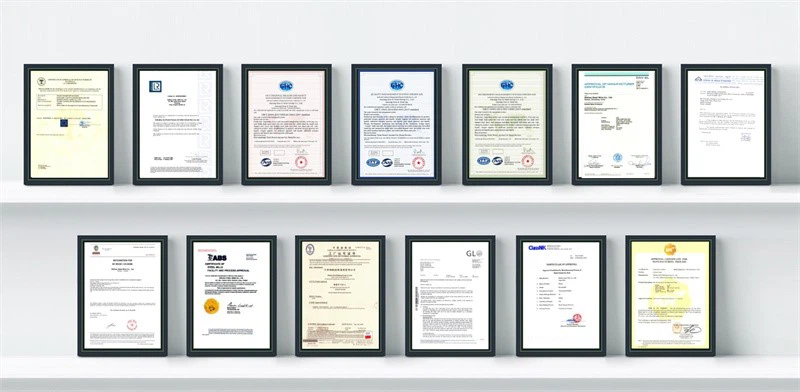
Certifications


productcate-1-1productcate-1-1


Our Factory


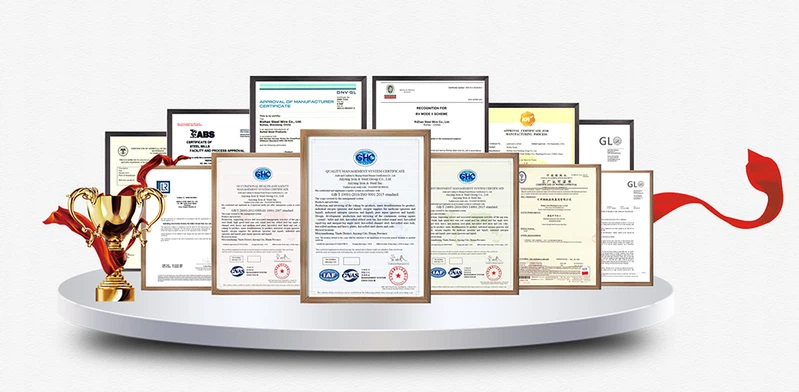
GNEE Metals has been around for 15 years. Located in Anyang City, Henan Province. At present, it has over 100 employees and covers an area of about 35000 square meters. We have independent production factories and processing workshops, and also cooperate with major factories, which can not only meet your customized requirements, but also accept large orders.


productcate-815-265

productcate-1-1


FAQ


Q: What is titanium foil?

A: Titanium foil is a thin, flat sheet or strip of pure titanium metal. It is commonly used in various industries for its high strength-to-weight ratio, excellent corrosion resistance, and biocompatibility.

Q: What are the standard sizes of titanium foil?

A: The standard sizes of titanium foil vary according to the thickness and width requirements of different applications. Typically, titanium foil can range from 0.006mm to 0.5mm thickness and 30mm to 250mm width.

Q: What are the typical applications of titanium foil?

A: Titanium foil has various applications, such as in aerospace, medical implants, chemical processing, electronic components, and other high-performance industries that require high strength and corrosion resistance.

Q: How is titanium foil manufactured?

A: Titanium foil is typically made by hot rolling or cold rolling titanium billets or ingots to achieve thinner thicknesses. These rolls undergo annealing processes to maintain the desired physical and chemical properties of the titanium foil.

Q: What are the benefits of using titanium foil?

A: Titanium foil offers several benefits, including high strength-to-weight ratio, excellent corrosion resistance to various chemicals, and biocompatibility. These characteristics make it ideal for various applications that require high-performance materials.

Q: Is titanium foil expensive?

A: Titanium is an expensive material, which can make titanium foil relatively expensive compared to other metals. However, its unique properties make it ideal for several high-performance applications where it is worth the investment in the long run.

Q: How do I clean and maintain titanium foil?

A: To maintain the characteristics of the titanium foil, it is essential to avoid contact with harsh chemicals, such as chlorine or strong acids. Cleaning can be done using mild soap and water or isopropyl alcohol solution. Overheating the titanium foil should also be avoided.

Q: What are the properties of titanium foil?

A: Titanium foil has excellent corrosion resistance, high strength-to-weight ratio, biocompatibility, and good ductility.

Q: What is the thickness range of titanium foil?

A: Titanium foil is available in thicknesses ranging from 0.001” (0.025mm) to 0.020” (0.50mm) or higher.

Q: What are the available sizes of titanium foil?

A: Titanium foil is commonly available in widths ranging from 100mm to 500mm and lengths of up to 3 meters.

Q: Is titanium foil weldable?

A: Yes, titanium foil is weldable, but welding titanium is a specialized process that requires specific welding techniques and equipment. Welding titanium requires the use of a shielding gas to prevent oxidation and contamination of the weld area, as well as the use of specialized welding electrodes and filler metal.

Q: Is titanium foil expensive?

A: Yes, titanium foil is relatively expensive compared to other metals due to its high production costs and limited availability. However, its unique properties and applications make it a worthwhile investment.

Q: Is titanium foil easy to work with?

A: Titanium foil is easy to work with, particularly for those with experience working with metals. It has good ductility and is malleable, which makes it easy to shape and form. However, it is also a strong and tough metal, which means it requires specialized tools and techniques to cut, weld, or bend. Overall, the ease of working with titanium foil depends on the specific application and the user's skill level in working with metals.

Q: Can titanium foil be recycled?

A: Yes, titanium foil can be recycled through the scrap metal recycling process. When titanium foil is recycled, it is melted down and reused in the creation of new titanium products. It is important to properly prepare the foil for recycling by removing any non-metal components or contaminants.

Q: What are the different grades of titanium foil?

A: Titanium foil is available in several grades, including Grade 1, Grade 2, Grade 5, and Grade 23. Each grade has different properties and is suitable for different applications.

Q: What is the cost of titanium foil?

A: The cost of titanium foil varies based on its thickness, size, and purity. It is generally more expensive than other types of metal foils due to its unique properties.

Q: Is titanium foil safe?

A: Yes, titanium foil is safe. It is non-toxic, non-reactive and is commonly used in medical and dental implants, as well as in aerospace and other industrial applications. However, as with any material, prolonged exposure to high levels of titanium particles or dust can be hazardous to health. It is important to handle titanium foil safely and in accordance with the manufacturer's instructions.

Q: How is titanium foil stored?

A: Titanium foil should be stored in a dry and cool environment to prevent oxidation and damage. It is best to store it in a sealed container or wrapped in plastic to protect it from moisture and air.

Q: Is titanium foil safe for use in medical implants?

A: Yes, titanium is a biocompatible material and is commonly used for medical implants due to its ability to integrate with bone and tissue without causing adverse reactions.

Q: What are the properties of titanium foil?

A: Titanium foil is known for high strength, low density, excellent resistance to corrosion, and biocompatibility. It also has good thermal and electrical conductivity.

We're professional titanium foil manufacturers and suppliers in China, specialized in providing high quality customized service. We warmly welcome you to buy cheap titanium foil in stock here and get free sample from our factory. Good service and low price are available.

TU1 13mm Copper Pipe, T1 air conditioning copper piping, refrigeration T2 copper tubing
goTop

(0/10)

clearall