Gnee Steel (Tianjin) Co., Ltd.

Titanium Bar

Company Profile

Gnee steel group is a supply chain integrated enterprise including steel plate, coil, profile, outdoor landscape design and processing. Founded in 2008, with 5 million RMB registered capital, Gnee has made impressive progress and development in steel market with Gnee People more than 10 years hard fighting. At present, the total investment amount reaches 30 million RMB, workshop area more than 35000㎡, with over 200 employees. Gnee is becoming the most professional international steel supply chain company in China central plains with explicit strategic framework, integrated governance structure, firm management foundation, abundant fund and human power.


Gnee steel group is a professional one-stop supply chain company for steel products in China. The copper and titanium technology has reached the world average technology level and has been approved by dozens of project companies to be the star company in Asia.

1.One-stop solution

We can offer a range of services, from consultation and advice to product design and delivery. It is a convenience for the customers, as they can get all the help they need in one place.

2.Rich experience

Dedicated to strict quality control and attentive customer service, our experienced staff is always available to discuss your requirements and ensure complete customer satisfaction.

3.Quality control

We have professional personnel to monitor the production process, inspect the products and ensure that the final product meets the required quality level standards, guidelines and specifications.

  • Gr1 Gr2 Gr5 Titanium Alloy Rod

    Gr1 Gr2 Gr5 Titanium Alloy Rod

    Group has 5 subsidiary corporations, located in Anyang, Tianjin, Hongkong and Singapore countries and districts. Headquarters is in hometown of oracle in Henan province, location of world cultural

    Add to Inquiry
  • Industry TA1 Titanium Bar

    Industry TA1 Titanium Bar

    Industry TA1 titanium rod is a high-quality titanium alloy rod produced by several manufacturers worldwide. This titanium rod is made using Grade 1 Titanium, which is a pure, unalloyed titanium, and

    Add to Inquiry
  • Ti 6AL-4V ELI ASTM F136 Medical Titanium Bars

    Ti 6AL-4V ELI ASTM F136 Medical Titanium Bars

    Medical titanium bars made from Ti 6AL-4V ELI ASTM F136 are a superior choice for various medical applications. This material is highly biocompatible and resistant to corrosion, making it an ideal

    Add to Inquiry
  • High Quality GR11 Round Titanium Bar Price Per Kg

    High Quality GR11 Round Titanium Bar Price Per Kg

    Titanium is a highly versatile and sought-after metal due to its excellent strength-to-weight ratio, corrosion resistance, and biocompatibility. GR11 round titanium bars are in high demand in various

    Add to Inquiry
  • ASTM B348 Gr2 Titanium Metal Rod For Fishing Rod

    ASTM B348 Gr2 Titanium Metal Rod For Fishing Rod

    Titanium metal is widely used in various industries due to its exceptional strength, resistance to corrosion, and lightweight properties. Among its many applications is in the manufacturing of

    Add to Inquiry
  • Best Price Titanium Bar,alloy Titanium Rod

    Best Price Titanium Bar,alloy Titanium Rod

    Looking for the best price on a titanium bar or alloy titanium rod? Look no further than our top-quality products!We strive to offer our customers the most competitive pricing while maintaining the

    Add to Inquiry
  • Alloy Titanium Bar GR1 GR2 GR3 GR5

    Alloy Titanium Bar GR1 GR2 GR3 GR5

    Alloy titanium bar is an exceptional material that has gained immense popularity in a variety of industries. It possesses a superior combination of high strength, low density, and excellent corrosion

    Add to Inquiry
  • High Quality Astm B348 GR1 Pure Titanium Round Bar Price

    High Quality Astm B348 GR1 Pure Titanium Round Bar Price

    If you're looking for a high quality titanium round bar, then the ASTM B348 GR1 Pure Titanium Round Bar is a great option to consider. This product has been designed to meet the highest standards of

    Add to Inquiry
  • High Quality Astm B348 GR11 Pure Titanium Round Bar Price

    High Quality Astm B348 GR11 Pure Titanium Round Bar Price

    Pure titanium is a material that is widely used across a range of industries, from aerospace to medical applications. As a result, there is a high demand for high-quality ASTM B348 GR11 pure titanium

    Add to Inquiry
  • Astm B348 Pure Titanium Round Bar Price GR5

    Astm B348 Pure Titanium Round Bar Price GR5

    Gr11 Titanium Alloy Round Rods Solid Titanium Alloy Bars Ti Rod are high-quality products that are essential in various industries such as aerospace, automotive, medical, and construction. These rods

    Add to Inquiry
  • Gr11 Titanium Alloy Round Rods Solid Titanium Alloy Bars Ti Rod

    Gr11 Titanium Alloy Round Rods Solid Titanium Alloy Bars Ti Rod

    Gr11 Titanium Alloy Round Rods Solid Titanium Alloy Bars Ti Rod are high-quality products that are essential in various industries such as aerospace, automotive, medical, and construction. These rods

    Add to Inquiry
  • High Purity 4N5 Titanium Bar Ti Rod 7440-32-6

    High Purity 4N5 Titanium Bar Ti Rod 7440-32-6

    High purity 4N5 titanium bar Ti rod 7440-32-6 is an exceptional and sought-after product in the titanium industry. Known for its strength, lightness, and corrosion resistance, titanium has become a

    Add to Inquiry
First 1234567 Last 1/80
What is Titanium Bar?

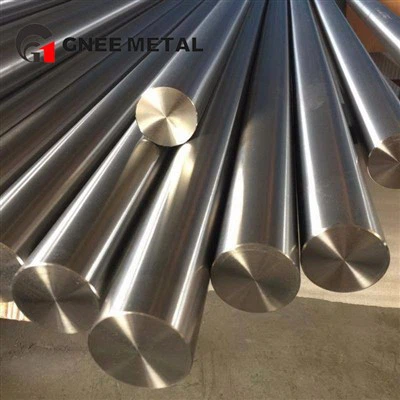
Titanium bar is a solid rod made of titanium metal that is typically cylindrical in shape, and is commonly used in various industrial applications. Titanium is a strong and lightweight metal with excellent corrosion resistance and biocompatibility, making it highly desirable in industries such as aerospace, medical, and chemical processing. It is often used to make parts that require high strength, durability, and resistance to extreme temperatures, such as aircraft components, surgical implants, and heat exchangers. Titanium bars are available in a variety of diameters, lengths, and grades, and can be machined, welded, and formed into a wide range of shapes and sizes.

Benefits of Titanium Bar
Titanium Round Tubes
Titanium Square Tubing
Astm B338 Titanium

Low density
Titanium bars are remarkably lightweight (approximately 60% lighter than iron) which not only means they are easy to work with but makes them a great choice for aerospace and other high-performance applications where every bit of weight matters.


Strength
Despite being lightweight, titanium is just as strong as steel and can be strengthened by alloying and deformation processing. Thanks to their low density and ability to withstand extreme temperatures, titanium bars are commonly used for aircraft, spacecraft and missiles.


Resistance to corrosion
Whether it’s used indoors or outdoors, titanium is a metal that will last several years because a thin layer of oxide forms on the surface and makes it difficult for materials to penetrate. This means titanium bars are ideal for buildings and marine applications.


Biocompatible
Whilst some metals (i.e. iron, steel and aluminium) can be toxic to humans, this isn’t the case with titanium. As a result of being biocompatible with human tissues and bones, titanium can be safely inserted into the body – either to strengthen broken bones or for dental implants – without causing an adverse reaction.


Good thermal resistance
When compared with other metals, titanium has a low coefficient of thermal expansion which means it won’t contract or expand anywhere near as much when put under extreme pressure. This is why titanium bars are frequently used in the construction industry where a rigid yet lightweight framework is desirable.


High melting point
Titanium bars have an exceptionally high melting point of 1668°C – approximately more than 400°F than steel and 2000°F above aluminium – which makes them suitable for an array of high-temperature applications.


Types of Titanium Bar


Pure titanium bars

Pure titanium bars are made of 99.9% pure titanium and are commonly used in various industries, including aerospace, medical, and marine. These bars are lightweight, durable, and resistant to corrosion, making them ideal for high-performance applications.

01

Titanium alloy bars

Titanium alloy bars are made by adding other metals such as aluminum, vanadium, and molybdenum to pure titanium. These alloys enhance the mechanical properties of titanium, making them stronger, more durable, and more heat-resistant than pure titanium bars. Some of the popular titanium alloys used in bars include Ti-6Al-4V (Grade 5), Ti-10V-2Fe-3Al, and Ti-3Al-2.5V.

02

Round titanium bars

Round titanium bars have a circular cross-section and are commonly used in the manufacturing of medical implants, aerospace components, and sporting equipment. These bars come in various diameters and lengths and can be machined to precise dimensions.

03

Square titanium bars

Square titanium bars have a square cross-section and are commonly used in the manufacturing of machinery components, fasteners, and structural parts. These bars come in various sizes and lengths, and are ideal for applications that require high strength and durability.

04

Rectangular titanium bars

Rectangular titanium bars have a rectangular cross-section and are commonly used in the construction industry for structural applications. These bars come in various thicknesses, widths, and lengths, and can be cut to custom sizes according to the application's requirements.

05


Material of Titanium Bar

Titanium bars are made of pure titanium or titanium alloys, which typically contain a small amount of other elements such as aluminum, vanadium, or tin to enhance their properties. Pure titanium is a light, strong, and corrosion-resistant metal, which makes it a popular choice for various industrial, medical, and aerospace applications. Titanium alloys offer even higher strength, hardness, and toughness than pure titanium, and can be tailored to specific applications based on their composition and processing. The most common titanium alloys used for bars include Ti-6Al-4V, Ti-6Al-4V ELI, Ti-3Al-2.5V, and Ti-6Al-2Sn-4Zr-2Mo.

High Quality Astm B348 GR11 Pure Titanium Round Bar Price


Price Per Kg Grade 5 Titanium Alloy Rod Titanium Ti6Al4V Grade 23 Bar

Application of Titanium Bar


1.Aerospace industry
Titanium bars are extremely popular in the aerospace industry due to their excellent combination of strength and low weight. They are used in aircraft structures, engine components, landing gears, and other critical parts of aerospace equipment.


2.Medical industry
Titanium bars are also widely used in the medical industry due to their biocompatibility, which means they do not react with living tissues. Titanium is used in medical implants such as hip replacements, dental implants, and spinal fusion cages.


3.Chemical processing industry
The corrosion resistance of titanium makes it an ideal material for use in the chemical processing industry. Titanium bars are used in heat exchangers, pumps, valves, and other equipment that comes into contact with corrosive chemicals.


4.Marine and offshore industry
Titanium bars are also used in marine and offshore structures such as boat hulls, mooring systems, and pipeline anchoring systems due to their resistance to seawater corrosion.


5.Automotive industry
The strength and durability of titanium bars make them ideal for use in the production of high-performance cars and racing vehicles. They are used in suspension systems, exhaust systems, and engine components.


6.Sports equipment
Titanium bars are also used in the manufacturing of sports equipment such as golf clubs, bicycle frames, and tennis rackets due to their strength and lightweight.

Gr11 Titanium Alloy Round Rods Solid Titanium Alloy Bars Ti Rod


Process of Titanium Bar

1.Melting
The first step of the process is melting the titanium sponge or scrap in a vacuum furnace to ensure purity and avoid contamination. The melted titanium is then poured into an ingot mold and allowed to cool and solidify.


2.Forging
Once the ingot is solidified, it is removed from the mold and placed in a forging press to shape it into a bar. The forging process puts the ingot under high pressure and temperature, which helps align its grain structure and remove any defects.


3.Annealing
After the forging process, the titanium bars are subjected to annealing, which is a heat treatment process to reduce residual stresses and improve the ductility of the metal. The bars are heated to a specific temperature and held there for a specific time before being cooled slowly.


4.Rolling or extrusion
Depending on the desired size and shape of the bar, it may undergo further processing by rolling or extrusion process. In the rolling process, the bar is passed through a series of rollers to reduce its thickness and shape it further. In the extrusion process, the bar is pushed through a die, which gives it its final shape.


5.Machining and finishing
Once the bar is shaped and formed to the desired size and form, it undergoes machining and finishing processes. Machining involves cutting, drilling, or milling the surface of the bar to achieve precise dimensions and tolerances. The finishing process involves polishing or buffing the bar to give it a smooth and shiny surface.


6.Inspection and testing
After the manufacturing process is complete, the titanium bars undergo thorough inspection and testing to ensure that they meet the required standards for strength, hardness, and durability. The bars are checked for any defects such as cracks, voids, or inclusions that may affect their performance.


7.Packaging and shipping
Once the titanium bars are verified to be of the required quality, they are packaged and shipped to the customer, ready to be used in various applications in aerospace, automotive, medical, and other industries. The packaging must be done carefully to avoid damage during transportation.


Components of Titanium Bar
 

Titanium bar is a high-strength metal alloy that is widely used in a variety of applications due to its excellent mechanical properties, corrosion resistance, and biocompatibility. The components of a titanium bar typically include titanium as the primary metal, along with other elements to improve its properties. These may include aluminum, vanadium, iron, and other trace elements. The bar may be heat treated to enhance its mechanical properties, and it may have a polished or brushed finish depending on its intended use. Overall, titanium bars are a versatile and valuable material with a wide range of applications in aerospace, medical devices, sports equipment, and many other fields.

ASTM B348 Gr2 Gr4 TC5 Titanium Bars

How Titanium Bar works


Hot Sale Titanium Alloy Round Rod Bar With Cheap Price

Titanium bars are made from pure titanium or titanium alloys, which are known for their high strength, corrosion resistance, and low density. They are commonly used in aerospace, medical, and industrial applications.


Titanium bars are formed by melting the titanium or titanium alloys and pouring the molten metal into a cast mold. The metal is then cooled and shaped into the desired bar shape.


Once the titanium bar is formed, it is typically further processed through cutting, machining, or forging to create specific sizes and shapes. These processes can be quite intricate and require specialized equipment.


Titanium bars offer a number of advantages over other metal bars, including high strength and durability, resistance to corrosion and rust, and a lightweight composition that makes them ideal for aerospace and medical applications.


Titanium bars are incredibly versatile and can be used in a wide range of industries and applications. They are prized for their strength, durability, and resistance to corrosion, making them a popular choice for professionals across a variety of fields.


How to maintain Titanium Bar


Clean the titanium bars regularly

It is important to clean the titanium bars regularly to prevent the buildup of dirt, dust, and other contaminants. Use a soft cloth or sponge to wipe down the bars. Avoid using abrasive materials as they can scratch the surface of the bars.

 
Avoid exposure to harsh chemicals

Titanium can be damaged by exposure to chemicals such as bleach, hydrogen peroxide, and chlorine. Avoid using these chemicals around titanium bars and ensure that they are stored in a safe and secure location.

 
Store titanium bars properly

When storing titanium bars, make sure they are kept in a clean and dry environment where they are protected from moisture and humidity. Avoid stacking the bars as this can lead to scratches or other damage.

 
Handle titanium bars with care

When handling titanium bars, it is important to be gentle and avoid using excessive force. Try to avoid dropping the bars or hitting them against hard surfaces.

 
Inspect the bars regularly

It is important to inspect the titanium bars regularly for signs of damage or wear. If any issues are detected, it is important to address them as soon as possible to prevent further damage.


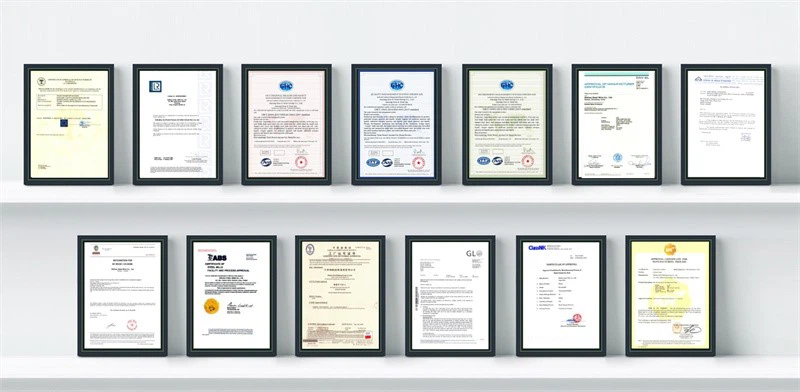
Certifications


productcate-1-1productcate-1-1


Our Factory


GNEE Metals has been around for 15 years. Located in Anyang City, Henan Province. At present, it has over 100 employees and covers an area of about 35000 square meters. We have independent production factories and processing workshops, and also cooperate with major factories, which can not only meet your customized requirements, but also accept large orders.


productcate-815-265

productcate-1-1


FAQ


Q: What is a titanium bar?

A: A titanium bar is a solid piece of titanium metal that is typically round or hexagonal in shape. It is often machined to specific dimensions for use in various industries.

Q: What are the properties of titanium bars?

A: Titanium bars are known for their high strength-to-weight ratio, corrosion resistance, and bio-compatibility. They also have a low thermal conductivity and are non-magnetic.

Q: What are titanium bars used for?

A: Titanium bars are commonly used in aerospace and medical industries, as well as in chemical processing, marine engineering, and military applications. They can be used to make structural components, bolts, screws, and other fasteners.

Q: How is a titanium bar made?

A: Titanium bars are made through a process called melting and casting, which involves melting titanium sponge or scrap in a vacuum or inert atmosphere and casting it into ingots. The ingots are then subjected to hot or cold working processes to achieve the desired shape and size.

Q: What are the different types of titanium bars?

A: Titanium bars are available in various grades, including Grade 1, Grade 2, Grade 5, and Grade 23. Each grade has unique properties and is used for specific applications.

Q: How do I choose the right titanium bar for my application?

A: When choosing a titanium bar, consider the specific requirements of your application, including mechanical properties, corrosion resistance, and biocompatibility. Consult with a qualified supplier or engineer to determine the most appropriate grade and size for your needs.

Q: How are titanium bars stored and handled?

A: Titanium bars should be stored in a clean, dry, and well-ventilated area. They should be handled with care to avoid surface contamination or damage. Clean gloves should be worn when handling titanium bars to prevent fingerprints and other contaminants from affecting the metal's surface.

Q: What are the benefits of using titanium bars?

A: Titanium bars offer several benefits such as high strength-to-weight ratio, excellent resistance to corrosion, biocompatibility, and good weldability. They also have good thermal and electrical conductivity.

Q: What are the common uses of titanium bars?

A: Titanium bars are commonly used in a variety of industries such as aerospace, medical, chemical, and marine due to their exceptional properties, including high strength, low weight, corrosion resistance, and biocompatibility. They can be machined into various shapes and sizes to be used in different applications such as surgical instruments, implants, engine components, structural parts, and fasteners.

Q: What are the types of titanium bars available in the market?

A: Titanium bars are available in different types and grades depending on their composition, properties, and intended use. The most common types are commercially pure titanium (CP titanium) and titanium alloys such as grade 5 (Ti-6Al-4V), grade 2 (Ti-3Al-2.5V), and grade 23 (Ti-6Al-4V ELI). Other types of titanium bars include fine-grained, alpha-beta, and beta titanium alloys.

Q: What are the dimensions and tolerances of titanium bars?

A: The dimensions and tolerances of titanium bars vary depending on their type and application. Generally, titanium bars have a diameter ranging from 0.125 inches to 12 inches and a length of up to 20 feet. The tolerances for diameter and straightness are usually specified by ASTM standards or customer requirements.

Q: What are the different grades of titanium bars?

A: There are four common grades of titanium bars: Grade 1, Grade 2, Grade 5, and Grade 23. Each grade has different properties and is suitable for different applications.

Q: How do you care for titanium bars?

A: Titanium bars can be cared for by cleaning them with a soft cloth and mild soap or detergent to remove any dirt or debris. Harsh chemicals or abrasive materials should be avoided as they can damage the surface of the bar. If the bar becomes scratched, it can be polished with a soft cloth and a polishing compound specific to titanium. Additionally, the bar should be stored in a dry, clean environment to prevent corrosion or other damage. It is also important to follow any specific care instructions provided by the manufacturer.

Q: What is the cost of titanium bars?

A: The cost of titanium bars depends on various factors such as the size, grade, supplier, and quantity ordered. Industrial grade titanium bar prices range from $20 to $30 per pound, while medical-grade titanium bar prices can be well over $100 per pound. Additionally, you should consider the cost of shipping, handling, and taxes. It's highly recommended to get an exact quote from a reliable supplier or manufacturer.

Q: What are some typical dimensions of titanium bars?

A: Titanium bars can vary widely in size, but common dimensions include diameter/width of 10-300 mm, length of 1000-6000 mm, and weight of 1-500 kg.

Q: What types of titanium bars are available?

A: There are several types of titanium bars available, including commercially pure titanium (CP-Ti) grades 1-4, Ti-6Al-4V (Grade 5), Ti-6Al-2Sn-4Zr-2Mo (Grade 23), and others. Each type has different compositions and properties suited for specific applications.

Q: How are titanium bars typically priced?

A: The price of titanium bars can vary depending on various factors, including the size, grade, and quantity ordered. Generally, titanium bars are more expensive than other metals due to their high strength, low weight, and corrosion resistance.

Q: Where can I buy titanium bars?

A: Titanium bars can be purchased from a variety of metal suppliers, including those that specialize in titanium and other specialty metals. It is important to choose a reputable supplier who can provide high-quality titanium bars that meet your specific needs.

Q: Can titanium bars be welded?

A: Yes, titanium bars can be welded using various welding techniques, including TIG welding and laser welding. However, it is important to use proper welding techniques and equipment to avoid damaging the titanium and to ensure a strong weld.

Q: Are titanium bars expensive?

A: Titanium bars can be more expensive than other metals, such as steel or aluminum, due to the cost of producing titanium. However, they are often worth the investment due to their strength, durability, and resistance to corrosion.

We're professional titanium bar manufacturers and suppliers in China, specialized in providing high quality customized service. We warmly welcome you to buy cheap titanium bar in stock here and get free sample from our factory. Good service and low price are available.

goTop

(0/10)

clearall