




Titanium Rectangular Bars
Titanium rectangular bars are generally known for their good weldability. Titanium's weldability is influenced by various factors, including the specific alloy composition, surface conditions, welding method, and expertise of the welder. Here are some key points regarding the weldability of titanium rectangular bars:
Titanium Rectangular Bar
Titanium rectangular bars are generally known for their good weldability. Titanium's weldability is influenced by various factors, including the specific alloy composition, surface conditions, welding method, and expertise of the welder. Here are some key points regarding the weldability of titanium rectangular bars:
Relevant data
|
Material |
GR1、GR2、GR3、GR5、GR7、GR12 |
|
Diameter |
0.8~500mm |
|
Length |
500~6000mm or according to customers' request |
|
Product Status |
Cold rolled(Y)~Hot rolled(R)~Annealed (M)~Solid Status |
|
Shape |
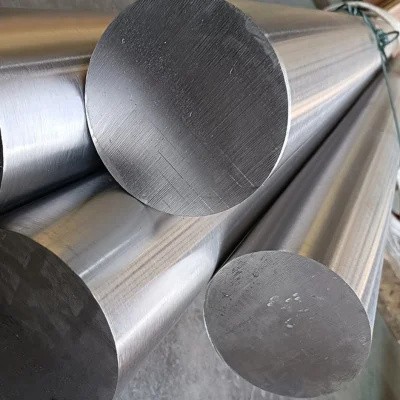
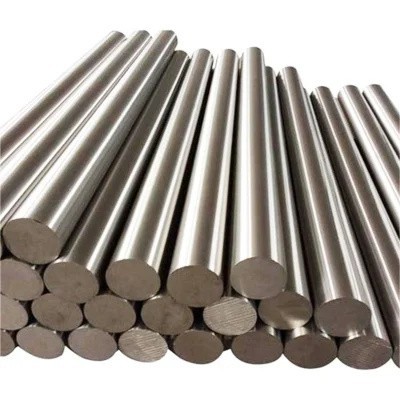
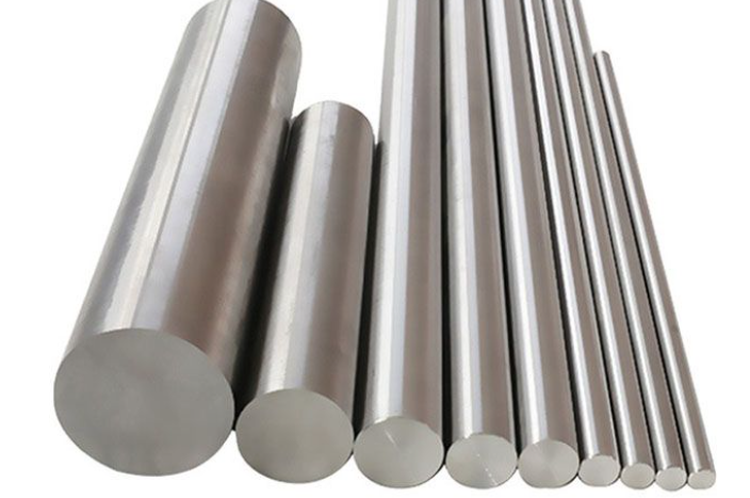
Round bar, square bar , hex bar |

Features and Functions
Low Thermal Conductivity: Titanium has relatively low thermal conductivity compared to other metals, which can be beneficial during welding. The lower thermal conductivity helps in controlling heat input and minimizing the potential for overheating and distortion during the welding process.
Clean Surface Preparation: Proper surface preparation is crucial for achieving good weldability with titanium rectangular bars. Prior to welding, the surfaces of the titanium bars need to be cleaned thoroughly to remove any contaminants, such as oil, grease, or oxide layers, which can negatively affect the weld quality. Mechanical cleaning, acid pickling, or other suitable methods are typically employed to prepare the surfaces.
Inert Gas Shielding: Welding titanium rectangular bars is commonly done using inert gas shielding, such as argon, to create a protective atmosphere around the weld zone. The inert gas shielding prevents the titanium from reacting with oxygen, nitrogen, or other impurities in the air, which could lead to the formation of brittle and undesirable compounds in the weld.
Proper Joint Design: Appropriate joint design is essential for successful welding of titanium rectangular bars. Butt joints, fillet welds, and other common joint configurations can be used, but it's important to ensure proper fit-up and alignment to achieve good penetration and fusion during the welding process.
Matching Filler Materials: Selecting the appropriate filler material is critical for achieving good weldability and maintaining the desired mechanical properties in the welded joint. Matching or compatible titanium filler wire or rod should be used to ensure compatibility and minimize the formation of brittle phases in the weld.
Welding Techniques: Various welding techniques can be employed for welding titanium rectangular bars, including gas tungsten arc welding (GTAW or TIG), electron beam welding (EBW), and laser beam welding (LBW). Each technique has its advantages and considerations, and the selection depends on the specific application, material thickness, and desired weld quality.
Company Profile
GNEE's values are rooted in action. The company believes in taking proactive measures, making informed decisions, and executing swiftly to meet the needs of customers and overcome challenges effectively.
Hot Tags: titanium rectangular bars, China titanium rectangular bars manufacturers, suppliers, factory

