


Titanium Welding Filler Rod
Titanium Welding Filler Rod Titanium welded filler bars have gained great interest in recent years due to their unique properties and diverse applications. A particularly notable feature is their potential to improve the optical transparency of materials. This paper explores the role of titanium...
Titanium Welding Filler Rod
Titanium welded filler bars have gained great interest in recent years due to their unique properties and diverse applications. A particularly notable feature is their potential to improve the optical transparency of materials. This paper explores the role of titanium weld filler bars in improving transparency, highlighting their applications and advantages in various industries.
Data Sheet
|
Product Name |
Titanium Bar |
|
Standard |
GB/T2965-2007 GB/T13810、Q/BS5331-91 ASTM B348、ASTM F136、ASTM F7、AMS4928 |
|
Material |
GR1、GR2、GR3、GR5、GR7、GR12 |
|
Diameter |
1-200mm,customizable |
|
Length |
50mm-6000mm,customizable |
|
Technique |
Hot Forging & Hot Rolling |
|
Surface |
Bright |
|
Shape |
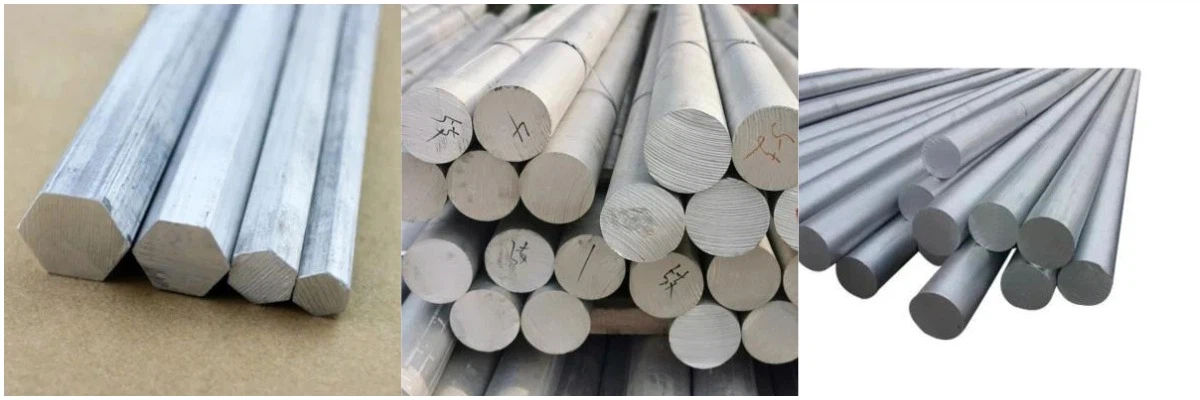
Round, flat, square, hexagonal |
|
Application |
Metallurgy, electronics, medical, chemical, petroleum, pharmaceutical, aerospace, etc. |
|
Delivey time |
3~7days |
|
Brand |
GNEE |
Features and Usage
Unraveling the power of titanium weld filler bars in optical transparency:
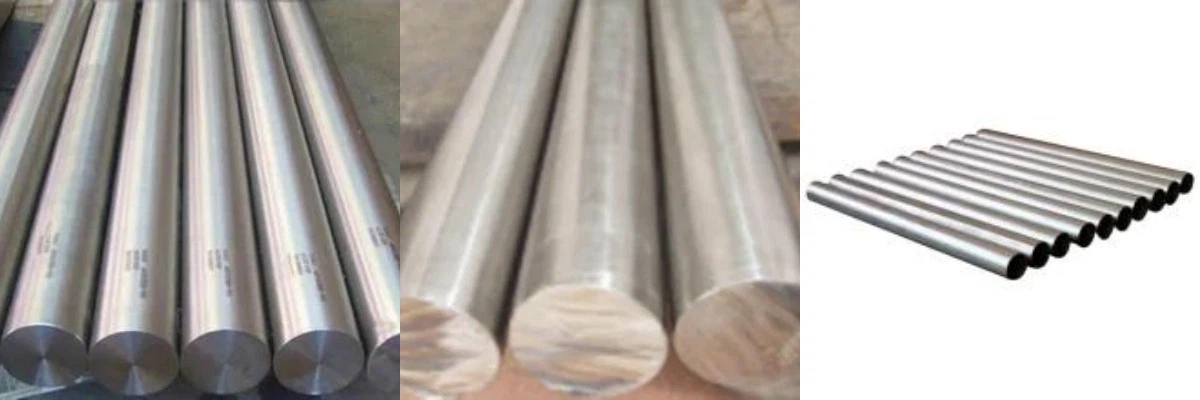
Titanium weld filler bars have become a breakthrough solution for improving optical clarity in a variety of materials. Their ability to seamlessly join transparent parts while maintaining high optical clarity makes them invaluable in industries such as optics, automotive, aerospace and construction. By integrating titanium weld filler bars into the welding process, manufacturers can achieve superior transparency, enabling innovative products to be created.
Applications and advantages:
2.1 Advanced optics:
In the field of optics, titanium weld filler bars play a key role in the manufacture of high-quality lenses, windows and other optical components. By utilizing these welding rods, manufacturers can achieve precise and seamless welds that minimize distortion and scattered light. This results in improved optical performance, reduced light loss, and increased overall transparency of optical devices.
2.2 Automotive and Aerospace Industries:
Transparent materials, such as glass and polycarbonate, are widely used in automotive and aerospace applications, including windshields, canopies and windows. Titanium weld filler rods offer significant advantages in these industries, ensuring strength and optical transparency at the joints. The use of these welding rods ensures structural integrity while maintaining the transparency required for safety and aesthetics.
2.3 Architectural innovations:
Titanium welded filler bars also find application in architectural designs that include transparent elements, such as glass facades, skylights and curtain walls. The use of these welding rods allows architects and engineers to create visually striking structures that maximize natural light while maintaining structural integrity and safety.
Key Factors Affecting Increased Transparency:
Several factors contribute to the ability of titanium welded filler bars to enhance optical transparency:
3.1 Titanium purity:
High purity titanium is essential to minimize impurities that may cause opacity or affect the optical properties of the solder joint. The use of high-grade titanium solder filler bars ensures optimal transparency of the final product.
3.2 Soldering Techniques:
Precise control of welding parameters, including heat input and welding speed, is essential to achieve a transparent weld. Improper welding techniques can lead to defects such as porosity or excessive heat affected zones that affect transparency.
3.3 Compatibility with the base material:
Welding rods must be selected to be compatible with the base material to ensure the strength and transparency of the joint. The correct choice of filler rod composition and properties is essential to achieve optimum transparency of the welded structure.
Conclusion:
Titanium welding filler rods offer an excellent solution for improving the optical transparency of various materials. Their unique properties, such as high purity and compatibility, make them indispensable in industries where transparency is of paramount importance. By incorporating titanium welded filler bars into the manufacturing process, industry can open up new possibilities to create transparent products with better optical properties.
FAQ
What are the standards for the Titanium Bar?
The Titanium Bar complies with standards such as GB/T2965-2007, GB/T13810, Q/BS5331-91, ASTM B348, ASTM F136, ASTM F7, and AMS4928.
What are the available materials for the Titanium Bar?
The Titanium Bar is available in various materials, including GR1, GR2, GR3, GR5, GR7, and GR12.
What are the diameter and length options for the Titanium Bar?
The Titanium Bar has a diameter range of 1-200mm and can be customized according to specific requirements. The length can be customized within the range of 50mm to 6000mm.
Hot Tags: titanium welding filler rod, China titanium welding filler rod manufacturers, suppliers, factory

