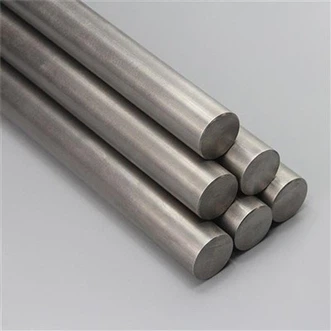
The Benchmark Conductor
Copper is the standard benchmark for electrical conductivity, conducting electrical current better than any other metal except silver. Copper is routinely refined to high purity levels, above 99.9 percent, before it is acceptable for many electrical applications. Small-gauge copper wire is the most common size used for branch circuit wiring in buildings.
Energy Efficiency Through Upsizing
Energy efficiency programs demonstrate that a simple upsizing of copper conductors used for electrical distribution can earn significant paybacks to building owners, usually within one to two years or less. Installing a larger wire size than the minimum for a lighting load running half time can pay back the difference in cost within months at typical electricity rates. The higher the cost per kilowatt-hour, the quicker the payback.
Motor-Driven Systems
A large share of the electricity generated is consumed by motor-driven systems, so the most significant energy savings come from upgrading systems with high-efficiency motors. A high-efficiency motor operating full time repays its cost premium in a short period, and from then on saves money and electricity. Premium motors are not only more efficient, mostly because they are made with more copper, they also last much longer and generate less heat.
Copper-Rotor Motors
The die-cast copper rotor has been a goal for motor manufacturers for many years. Modern die-casting technology produces copper rotors that reduce heat loss and increase motor efficiency by about 1.2 to 1.7 percentage points over motors using traditional aluminum rotors. Even a one percent increase in motor efficiency saves enormous amounts of energy annually, equivalent to billions of kilowatt-hours. Other benefits include longer motor life, lighter motors, and reduced emissions.
Connectors, Generators, and Renewables
Wherever electricity flows, connectors are required, and copper is the dominant material for both high-current power distribution and signal-level data and telecommunications. Electric power generators use massive copper-wound stators and rotors to convert mechanical energy into current. Copper plays a crucial role in wind energy delivery, with wind farms containing large lengths of copper wire, copper-wound transformers, and underground copper collection cables. In photovoltaic systems, copper busbars collect direct current for conversion by inverters.
Power Quality and Lightning Protection
Power quality problems in modern offices and factories are largely preventable with copper-intensive solutions: larger neutral conductors for harmonic loads, better grounding systems to dissipate transients and lightning, and fewer outlets per circuit to lessen interaction between equipment. Copper and its alloys are the most common and effective materials used in lightning protection, and proper protection can save lives and property each year.
High-Energy Applications
Copper is also used in extreme applications: high-conductivity oxygen-free copper wire for superconducting magnet stabilization in particle accelerators, and copper matrices in the superconductors of large research colliders. Copper has long been the heat exchange medium in solar heating systems, and advanced photovoltaic materials use copper in their semiconductor structure.
Frequently Asked Questions
Q: Why is copper the conductivity benchmark?
A: It conducts better than any metal except silver.
Q: How does upsizing conductors save money?
A: Reduced energy loss pays back the cost within months to two years.
Q: Why are copper-rotor motors more efficient?
A: They reduce heat loss by 1.2 to 1.7 percentage points.
Q: What role does copper play in wind energy?
A: Cables, transformers, and collection systems use copper.
Q: How does copper improve power quality?
A: Larger neutrals, better grounding, and fewer outlets per circuit.
Q: What are copper rotors used in?
A: High-efficiency motors, hybrid vehicles, and industrial drives.
Contact us for copper conductors, busbars, and magnet wire with certified conductivity.