

Copper tube structure types are primarily categorized by manufacturing process, geometry, and application. The following is a detailed classification and description:
I. Classification by Manufacturing Process
Seamless Copper Tube
Process: Made through extrusion, drawing, or rolling, without welds.
Features: High strength and excellent pressure resistance, suitable for high-pressure, high-precision applications.
Applications: Refrigeration equipment, hydraulic systems, precision instruments, etc.
Welded Copper Tube
Process: Copper strip is coiled and then welded using high-frequency welding (HFW) or argon arc welding (TIG).
Features: Low cost and high production efficiency, but welds may affect strength and corrosion resistance.
Applications: Low-voltage applications such as building water supply and drainage, electrical conduit, etc.
II. Classification by Geometric Shape
Round Copper Tube
Features: The most common shape, low flow resistance, and easy processing.
Applications: Refrigeration piping, water pipes, gas pipes, etc.
Special-Shaped Copper Tube
Types:
Square/Rectangular Copper Tube: Used in radiators and decorative structures.
Oval Copper Tube: Reduces air resistance and is suitable for air conditioning heat exchangers.
D-Shaped/Flat Copper Tube: Saves space and is used in compact heat exchangers.
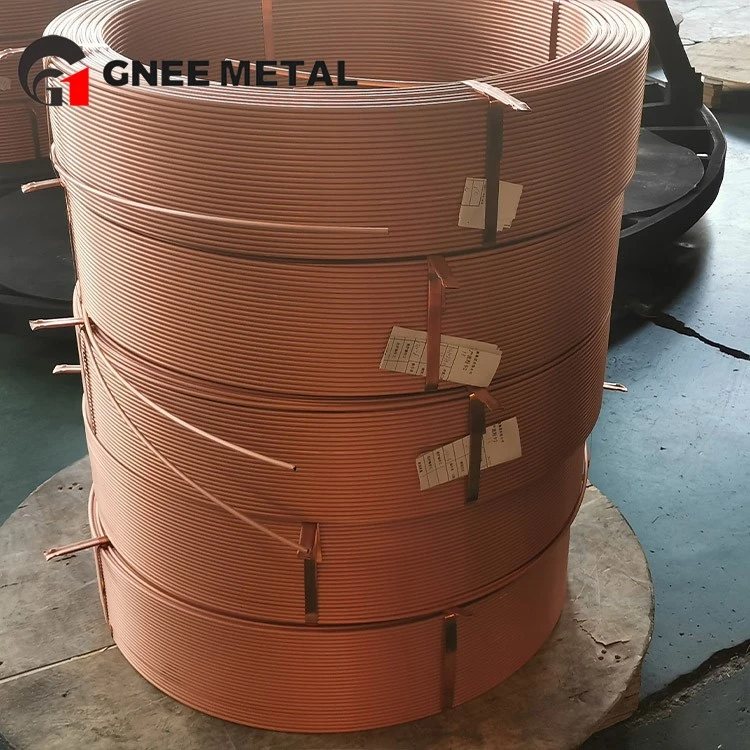
Coiled Copper Tube
Features: Soft (O-shaped), bendable, and long lengths (typically 50-100 meters).
Applications: Floor heating pipes, refrigeration system connectors, and other applications requiring bending.
Straight Copper Tube
Features: Hard (H-shaped), cut to length (typically 1-6 meters).
Applications: Building water supply and drainage, industrial piping, etc.
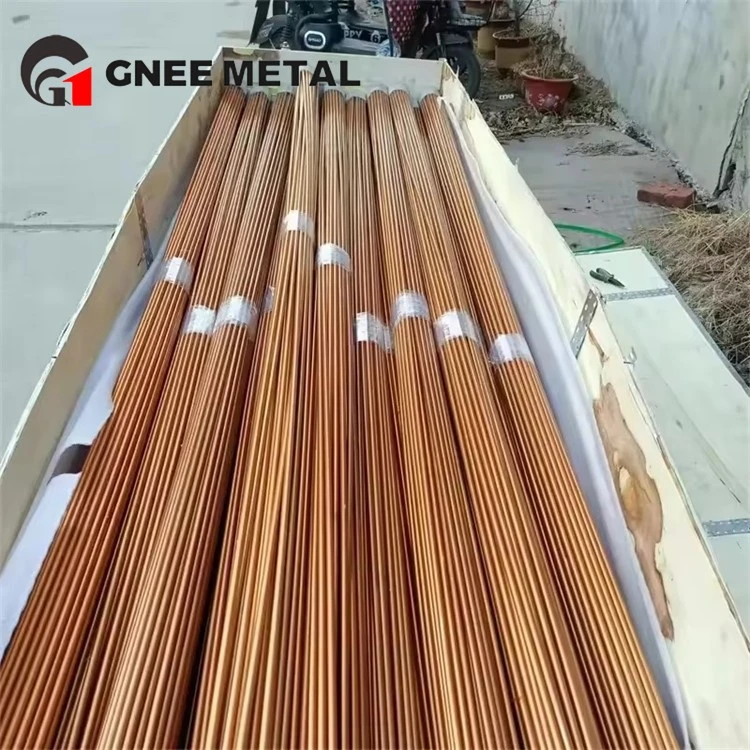
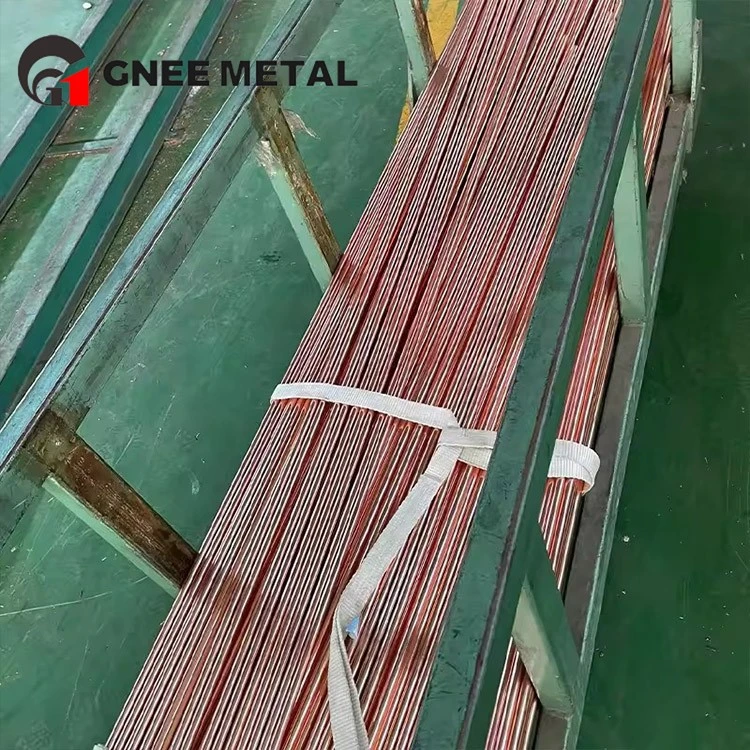
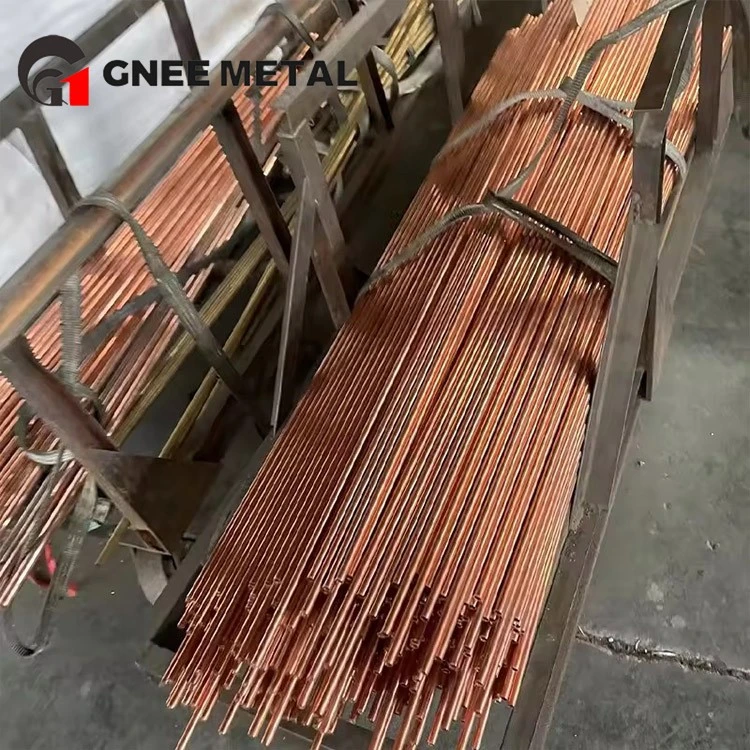
Capillary Copper Tube
Features: Small outer diameter (typically 0.5-3mm), thin wall, and high precision.
Applications: Refrigeration system expansion valves, medical equipment, precision instruments, etc.
III. Classification by Function and Special Structure
Inner Grooved Copper Tube
Features: Spiral grooves on the inner wall increase the heat exchange area and improve heat transfer efficiency.
Applications: High-efficiency heat exchange applications such as air conditioning condensers and evaporators.
Finned Copper Tube
Features: Fins on the outer surface enhance heat dissipation.
Applications: Radiators, heat pumps, automotive radiators, etc.
Plastic-Coated Copper Tube
Features: Outer layer covered with PVC or PE plastic for corrosion resistance and insulation.
Applications: Hot and cold water pipes in buildings, floor heating pipes, etc.
Composite Copper Tube
Types:
Copper-Steel Composite Tube: A stainless steel outer layer and a copper inner layer provide both strength and corrosion resistance.
Copper-Aluminum Composite Tube: Reduces cost and weight, used in HVAC systems.
IV. Classification by Application
Hard Drawn Copper Tube (H-state)
Features: Unannealed, high strength, but poor bendability.
Applications: Structural support, straight pipe conveying systems.
Annealed Copper Tube (O-state)
Features: Annealed, flexible, and easily bendable.
Applications: Coil pipes, floor heating pipes, refrigeration pipes, etc.
V. Special Purpose Copper Tube
Medical Copper Tube
Requirements: Ultra-high cleanliness, sterility, and compliance with GMP standards.
Applications: Surgical instruments, respiratory equipment, etc.
Ultra-Thin Wall Copper Tube
Features: Wall thickness ≤ 0.3mm, lightweight design.
Applications: Electronic equipment heat dissipation, micro heat exchangers
Corrugated Copper Tube
Features: Flexible and vibration-resistant.
Applications: Gas appliance connection pipes, solar water heaters, etc.
VI. Selection Factors
Pressure Resistance Requirements: Seamless tubes > welded tubes, hard tubes > soft tubes.
Bending Requirements: Soft coils or corrugated tubes offer greater flexibility.
Heat Transfer Efficiency: Internally threaded tubes or finned tubes are preferred.
Cost Control: Welded tubes are more economical than seamless tubes.
The structural selection of copper tubes requires comprehensive consideration of pressure, temperature, media corrosiveness, and the installation environment. For example, air conditioning and refrigeration systems typically use internally threaded seamless copper tubes, while plastic-coated welded copper tubes are suitable for building water pipes.
The company has a cluster of leading copper processing production lines in China, including:
German imported precision copper tube production line (annual output of 30,000 tons)
Japanese technology copper foil rolling line (thinnest up to 6μm)
Fully automatic copper bar continuous extrusion line
Intelligent copper sheet and strip finishing mill unit
Digitalized control and management of the whole production process is realized through MES system, and the dimensional accuracy of the products can reach ±0.01mm.