Electrical wiring is a crucial component of circuit renovations. Currently, household wiring on the market is primarily divided into copper and aluminum. However, aluminum wire is often more prone to catching fire than copper wire in electrical wiring, and the fire risk is far greater. Why is this? Let us explain four reasons why aluminum wiring connections pose a greater fire risk.
1. Aluminum wire surface easily oxidizes in air.
Conductor surfaces have a certain degree of film resistance. If this film resistance causes the connection to overheat, the overheating increases the film resistance and reduces conductivity. This overheating is particularly serious in aluminum wiring connections. This is because even if the aluminum wire surface is scratched clean, it only takes a few seconds of exposure to air for it to oxidize and form an aluminum oxide film. Although this film is only a few microns thick, it has a very high resistivity, resulting in a high film resistance. Therefore, when installing aluminum wiring connections, apply conductive paste immediately after scraping the surface clean to cut off contact with air. Otherwise, the contact resistance will increase.
2. High Coefficient of Expansion
Aluminum has a coefficient of expansion of up to 23 × 10-6 /°C, 39% greater than copper and 97% greater than iron. When aluminum wire is connected to these two metal conductors and current flows through them, heat is generated at the connection point due to contact resistance. All three conductors expand, but aluminum expands more than copper and iron, which can cause the aluminum wire to be compressed. After the circuit is disconnected and cooled, the aluminum wire is slightly compressed and does not fully return to its original shape, leaving gaps and loose connections. Air can enter and form an aluminum oxide film, increasing contact resistance.
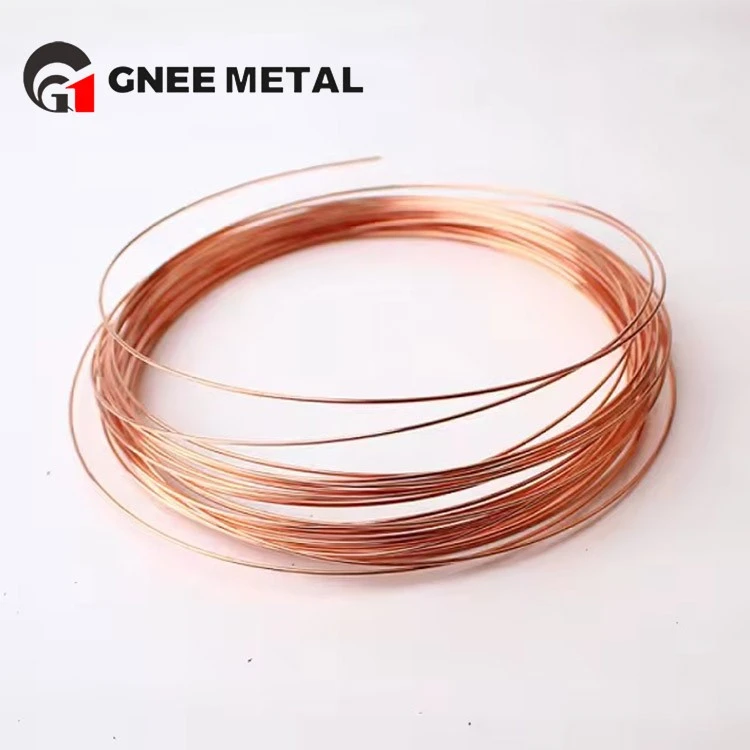
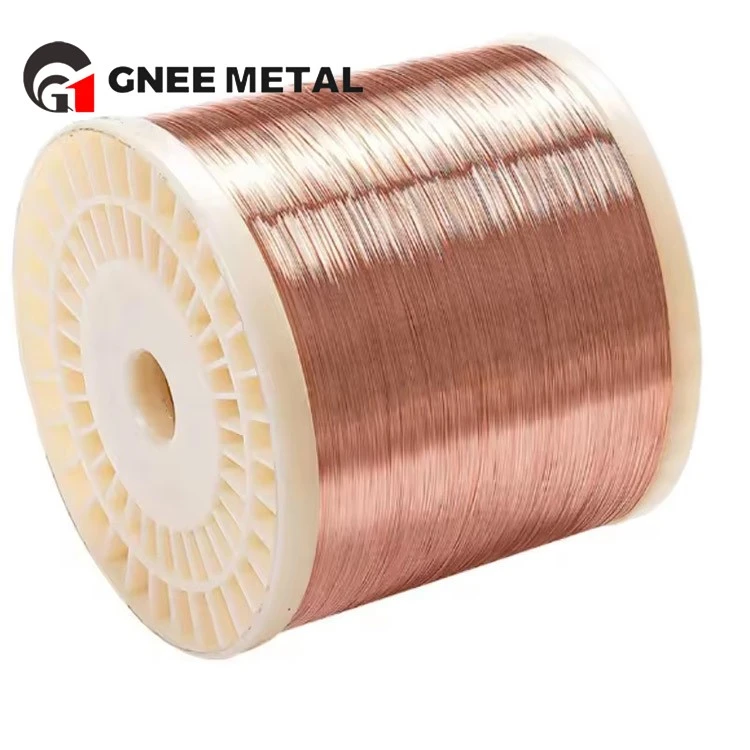
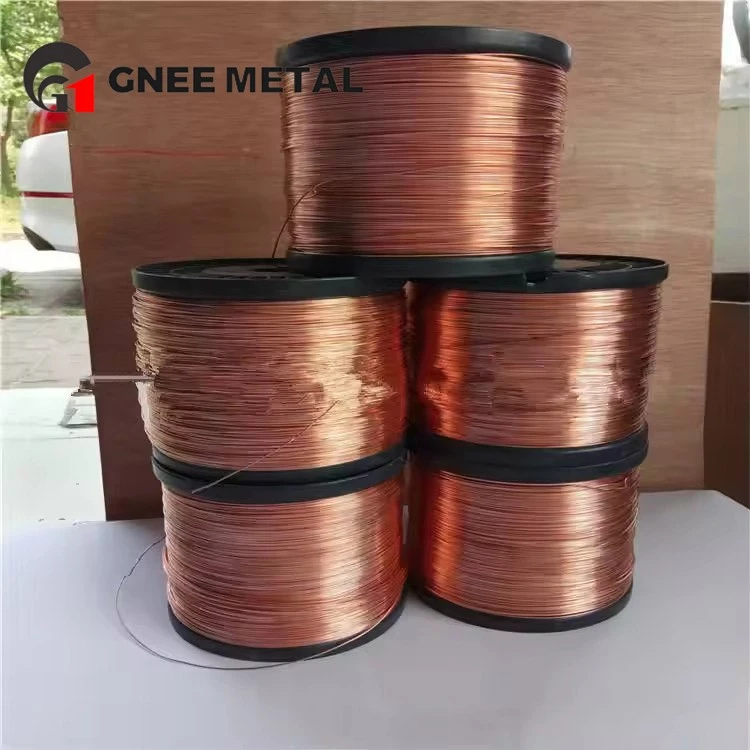
The next time the power is turned on, the heat becomes even more intense, exacerbating the situation. In severe cases, abnormally high temperatures or sparks can ignite a fire. Therefore, transition joints should be used when connecting large-section aluminum conductors to copper or iron conductors. For connections of small-section aluminum wire (no larger than 6 mm²), spring-loaded crimp caps should be used. This way, regardless of whether the connection is energized or heated, the contact surface is subjected to spring pressure, allowing air and moisture to enter without gaps, maintaining good electrical conductivity.
3. Susceptibility to Electrolytic Corrosion
If an acidic or alkaline liquid exists between two metals at different potentials, a localized battery forms between them. Aluminum has a potential of -0.78V, and copper has a potential of -0.17V. When salt-containing water is present between aluminum and copper conductors, this type of localized battery forms. Ionization corrodes the aluminum conductor, which has a lower potential, and increases contact resistance.
4. Susceptibility to Hydrogen Chloride Corrosion
PVC-insulated aluminum-core wires and cables can present another problem: To prevent hydrogen chloride gas from decomposing from the PVC insulation, a stabilizer is added. However, when the circuit temperature exceeds 75°C, such as when the circuit is overloaded or the connection temperature is too high due to other reasons, the stabilizer no longer prevents the formation of hydrogen chloride. Hydrogen chloride corrodes the aluminum, increasing contact resistance and posing a fire hazard.
Substandard wires and cables not only affect our use but also directly impact our safety. Therefore, we must be vigilant and rely on quality assurance to select high-quality cables.
The company has a cluster of leading copper processing production lines in China, including:
German imported precision copper tube production line (annual output of 30,000 tons)
Japanese technology copper foil rolling line (thinnest up to 6μm)
Fully automatic copper bar continuous extrusion line
Intelligent copper sheet and strip finishing mill unit
Digitalized control and management of the whole production process is realized through MES system, and the dimensional accuracy of the products can reach ±0.01mm.