


Introduction to American Standard Tin Bronze and Commonly Used High Lead Tin Bronze Composition


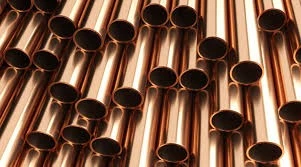
UNS C90200 to C91700 are grades assigned to cast tin bronze or copper-tin alloys with excellent corrosion resistance. Tin bronze exhibits high wear resistance and low friction when in contact with steel. Tin bronze is more ductile and stronger than semi-red and red brass. Copper-tin alloys undergo slow or no phase changes at room temperature and are single-phase alloys.
Tin is a solid solution strengthener in copper. When added to tin bronze, lead improves pressure tightness and machinability and reduces the ductility and tensile strength of tin bronze. By adjusting the composition of the copper-tin alloy, a balance is maintained between the strength and machinability of tin bronze.
C92200 to C94500 are the names of cast lead-tin bronzes specified by UNS. High-lead tin bronze casting alloys can effectively improve running jams and wear due to the presence of lead. The lead element is released from the alloy and is smeared on the journal surface during operation to form an effective lubricating layer. Lead-tin bronze and lead-free tin bronze have similar microstructures.
The dendrites present in the microstructure of cast tin bronze alloys due to their compositional gradient increase the tin content, forming delta and alpha phases when the last liquid that needs to solidify improves with the use of tin during cooling.


