


Main types and application characteristics of special brass
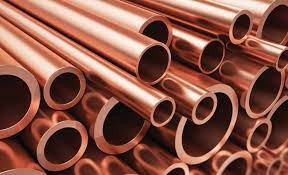
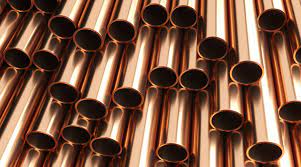
Special brass is a brass obtained by adding alloy elements such as aluminum, lead, tin, manganese or nickel to simple brass. It is called aluminum brass, lead brass, tin brass, manganese brass, nickel yellow Copper etc. It often has some special properties, such as lead brass has good cutting performance, tin brass has good corrosion resistance, etc. According to the zinc equivalent, the actual zinc content of special brass can be calculated, and its structure can be judged accordingly.
The main uses and characteristics of special brass:
Tin brass: Tin brass can significantly improve the corrosion resistance of brass in the ocean, atmosphere and seawater, and can also improve the strength of brass. Pressed tin brass is widely used in the manufacture of marine ship parts.
Lead Brass: Lead improves machinability and wear resistance. Lead has little effect on the strength of brass, and its plasticity is slightly reduced. Press-processed lead brass is mainly used for parts that require good machinability and wear resistance (such as watch parts), and cast lead brass can be used to make bearings and bushings.
Aluminum Brass: Aluminum increases the strength and hardness of brass, but reduces its plasticity. Aluminum can form a protective oxide film on the surface of brass, thereby increasing the resistance of brass in the atmosphere. Aluminum brass can be used to make corrosion-resistant parts for marine ship parts and other machines. Adding appropriate amounts of nickel, manganese and iron to aluminum brass can produce special brass with high strength and high corrosion resistance, which is usually used to make large worms, sea ship propellers and other products that require high strength and high corrosion resistance. Important parts.
Silicon brass: Silicon brass can significantly improve the mechanical properties, wear resistance and corrosion resistance of brass. Silicon brass has good casting properties and can be welded and processed. Mainly used in the manufacturing of ship and chemical machinery parts.
Manganese brass: Manganese can increase the strength of brass without reducing its plasticity, and can also improve the corrosion resistance of brass in seawater and superheated steam. Manganese brass is commonly used to make wear-resistant parts such as marine ship parts and bearings.
Iron brass: Adding iron to brass and adding a small amount of manganese can increase the recrystallization temperature of brass, refine the grains, improve mechanical properties, and at the same time make brass have high toughness, wear resistance and resistance to atmospheric and seawater It has excellent corrosion resistance, so iron brass can be used to make parts affected by friction and seawater corrosion.


