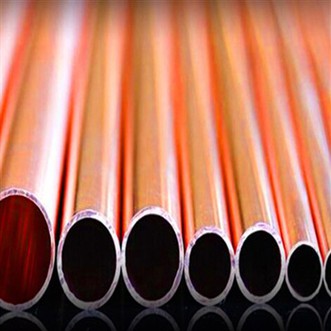


Type L and Type M copper pipes are two common types of copper tubing used in plumbing and HVAC (Heating, Ventilation, and Air Conditioning) applications. They differ primarily in their wall thickness and pressure ratings, making them suitable for different purposes. Here are the key differences between Type L and Type M copper pipe:
Wall Thickness:
Type L Copper Pipe: Type L has a thicker wall compared to Type M. It typically has a wall thickness that is about twice as thick as Type M copper pipe.
Type M Copper Pipe: Type M has a thinner wall compared to Type L. It is the more lightweight and less expensive option.
Pressure Rating:
Type L Copper Pipe: Due to its thicker wall, Type L copper pipe has a higher pressure rating and can handle higher internal pressures. It is often used in applications where greater strength and durability are required, such as water supply lines, fire sprinkler systems, and underground installations.
Type M Copper Pipe: Type M copper pipe has a lower pressure rating than Type L. It is suitable for low to medium-pressure applications, such as residential water supply lines and some HVAC applications.
Cost:
Type L Copper Pipe: Type L is typically more expensive than Type M due to its thicker wall and higher copper content.
Type M Copper Pipe: Type M is less expensive than Type L and is often chosen for budget-conscious projects or where lower pressure ratings are acceptable.
Common Uses:
Type L Copper Pipe: This type is commonly used in applications that require higher strength and durability, such as water mains, underground installations, and commercial plumbing systems.
Type M Copper Pipe: Type M is suitable for residential plumbing projects, such as supply lines to sinks, toilets, and other fixtures, where the lower pressure rating is sufficient.
It's essential to select the appropriate type of copper pipe based on the specific requirements of your plumbing or HVAC project. Local building codes and regulations may also dictate which type of copper pipe should be used in different applications. Consulting with a licensed plumber or HVAC professional can help ensure that you choose the right type of copper pipe for your project to avoid issues related to pressure, durability, and cost.