


Why is a solid copper rod preferred for grounding instead of iron, steel, etc.?
While copper is a common choice for grounding rods, other materials such as aluminum, zinc, stainless steel, copper-clad, or copper-coated galvanized steel can also be used for grounding rods and grounding plates in grounding applications. The choice depends on local laws and regulations, cost considerations, and specific application requirements. However, due to its excellent electrical properties, including low resistance, good conductivity, corrosion resistance, and longer expected lifespan, solid copper remains a popular and reliable choice for grounding and grounding systems.
Grounding rods are used to discharge static, lightning strikes, and fault currents to the earth, ensuring proper protection against electric shock hazards and preventing damage to equipment and overall installations.
Copper rods are typically preferred in grounding and grounding systems for the following reasons:
Conductivity: Copper is an excellent electrical conductor. It has high conductivity, meaning current can flow through it easily. This property is crucial in grounding systems as it ensures that fault currents can be effectively and safely directed to the ground, reducing the risk of electric shock and protecting electrical equipment.
Corrosion resistance: Copper has strong corrosion resistance, especially when exposed to other elements. Grounding rods are usually installed underground and need to maintain their conductivity over time. Copper's corrosion resistance helps ensure the long-term effectiveness of the grounding system.
Long lifespan: Copper rods are durable and have a long service life, making them a reliable choice for grounding systems. They can withstand environmental factors such as humidity, soil conditions, and temperature changes.
Low resistance: Compared to other metals like iron, aluminum, or steel, copper has relatively low resistance, making it an efficient conductor of current. Lower resistance means that current flows more easily through it and less energy is lost as heat, making copper an effective choice for grounding systems.
Compatibility: Copper is compatible with various connectors, clamps, and conductors used in grounding systems. This makes it easier to install and maintain copper rod grounding systems.
Grounding effectiveness: Copper rods can effectively disperse fault currents to the earth, helping to prevent electrical fires and ensuring the safety of people and property. Copper's conductivity and physical properties make it well-suited for this use.
Compliance with standards: In many countries, electrical codes and standards specify the use of copper as grounding electrodes, including copper rods (e.g., NEC 250.52(A), 250.53, 250.66 250.122, IEC/BS EN 62561-2 and IEC 62305-3, IEC/BS EN 62561-2:2012). Adhering to these local electrical codes and standards is crucial for ensuring the safety and reliability of electrical systems.

why choose us

why choose our products
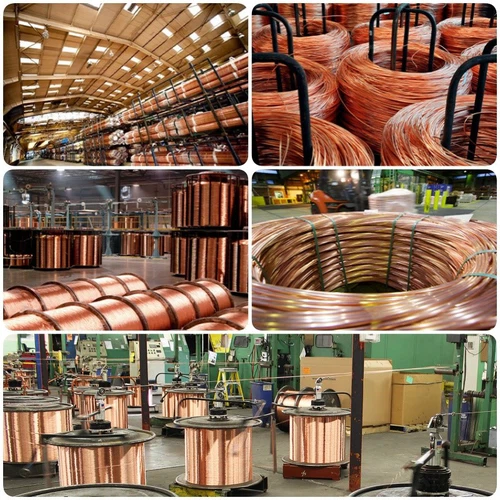
We are a leading manufacturer and exporter specializing in a comprehensive range of high-quality copper products, including copper tubes, copper plates/sheets, copper bars, copper rods, copper wires, and copper strips. Our advanced manufacturing facilities are equipped with state-of-the-art continuous casting lines, extrusion presses, cold rolling mills, and drawing machines to ensure precision and consistency. Rigorous quality control is integral to our process, conducted through spectrometers for material verification, tensile testers, eddy current testers, and hydrostatic pressure testers, guaranteeing that all our products meet international standards for performance and durability.
E-mail: sales@gneesteel.com


