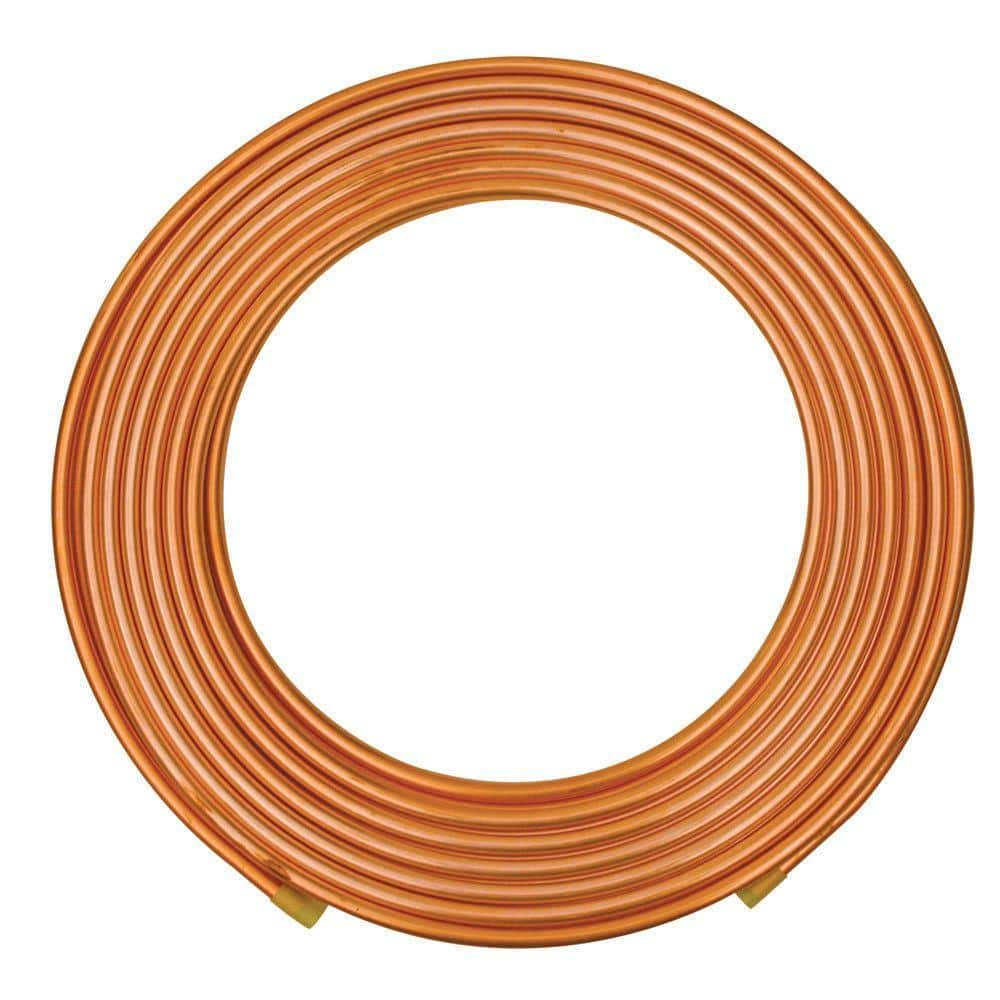
Explain in detail the specifications of commonly used copper pipes in refrigeration systems
Copper tubes are widely used in refrigeration systems. Copper tubes are used in connecting tubes, heat exchangers, capillary tubes, etc. However, the materials of copper tubes are also different. Generally, the most commonly used copper tubes in refrigeration systems are copper grade TP2M. , other brands are also used.
1. The brand, status and specifications of the product should comply with the provisions of Table 1:
image.png
Example:
Round tubes made of TP2, in a soft state, with an outer diameter of 4.76MM and a wall thickness of 0.5mm are marked: tube TP2M φ4.76×0.5 GB/T 527-1997
2. Material analysis
The chemical composition of the pipe should comply with the regulations of the corresponding grade in the GB/T 5231 standard.
T2 is pure copper, and TP1 and TP2 are phosphorus-deoxidized copper.
The following special regulations have been made for the chemical composition of T2: Cu+Ag≥99.90%. Other ingredients are in accordance with GB 5231.
The following special regulations are made for the chemical composition of TP1: Cu+Ag≥99.90%, P is 0.004%~0.012%. Other ingredients are in accordance with GB 5231.
The following special regulations are made for the chemical composition of TP2: Cu+Ag≥99.9%, P is 0.015%~0.040%. Other ingredients are specified in GB/T 5231.
3. Dimensions and size tolerances
image.png
4. Mechanical properties
The room temperature mechanical properties of the pipe should comply with the requirements in Table 3.
image.png
5. Calculation of metric weight
Method 1: If the sample is less than 1000mm, take a copper pipe with a length of 200mm±10mm and grind the two ports flat. The ports are required to be perpendicular to the axis and have no shrinkage. Use a vernier caliper to measure the length, weigh it with a balance with an accuracy of 1 mg, and calculate the weight per unit length, which is the gram weight in meters.
Calculation formula: Gram weight = length/weight*1000
Method 2: If the weight of the drawing is required, use a scale with an accuracy of 0.1g to weigh it.