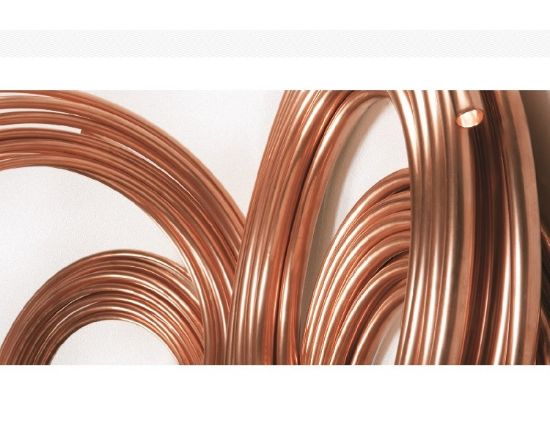


The difference between pure copper and copper oxide
Pure copper (Cu) is red or purple in color, and copper oxide is black. One is a metal element and the other is an oxide.
Identification method
Take a small amount of the sample and put it into two dry and clean test tubes respectively. Then add an appropriate amount of dilute sulfuric acid into the test tubes. The solution gradually turns from colorless to blue. The solid gradually dissolved is copper oxide, and the non-phenomenon is copper;
Take a small amount of the sample and put it into two dry and clean test tubes respectively. Then add an appropriate amount of silver nitrate solution to the test tubes. The silver-white substance that precipitates and the solution changes from colorless to blue is copper, and the one with no phenomenon is copper oxide. .
Copper oxide is an alkaline oxide and can react with acids. According to this principle, the reaction between copper oxide and sulfuric acid can be adopted
CuO+H₂SO₄====CuSO₄+H₂0
Basic oxides can also react with acidic oxides. Take the reaction of copper oxide and sulfur trioxide:
CuO+SO₃====CuSO₄
sulfuric acid method
The copper powder is roasted at 600 to 700°C, oxidized into copper oxide, and then decomposed and clarified by sulfuric acid to remove insoluble impurities. After cooling, crystallization, filtration, and drying, the finished copper sulfate product is obtained;
Electrolyte recovery method
The waste electrolyte (containing Cu50~60g/L, H2SO4180~200g/L) reacts with the roasted copper mud to make fine copper powder. After the reaction liquid is separated and settled, the clear liquid is cooled, crystallized, separated, and dried to obtain sulfuric acid. finished copper products;
chemical concentration crystallization method
Use low-grade copper oxide ore, crush it to a certain particle size, add sulfuric acid to impregnate it, add a copper-soluble iron precipitating agent, and obtain a copper sulfate solution with a copper-to-iron ratio greater than 100. Then add a chemical concentrate to concentrate and drain away 70% to 90% of the copper sulfate solution. The water is evaporated, cooled and crystallized, separated and air-dried to obtain the finished copper sulfate;
Place copper sulfate pentahydrate in a porcelain dish, heat it on a sand bath in a well-ventilated place, and the temperature should not be higher than 220°C. Stir constantly until all the blue color disappears. Grind the obtained white powder finely (if the product turns off-white, it indicates excessive heating) to obtain anhydrous copper sulfate;
Recycling Act
The copper compound precipitate (customarily called copper pollution) in the copper ammonia acetate solution in the copper washing tower when recovering the ammonia raw material gas of the nitrogen fertilizer plant is roasted at 700°C and oxidized to copper oxide and then reacts with sulfuric acid to generate copper sulfate.