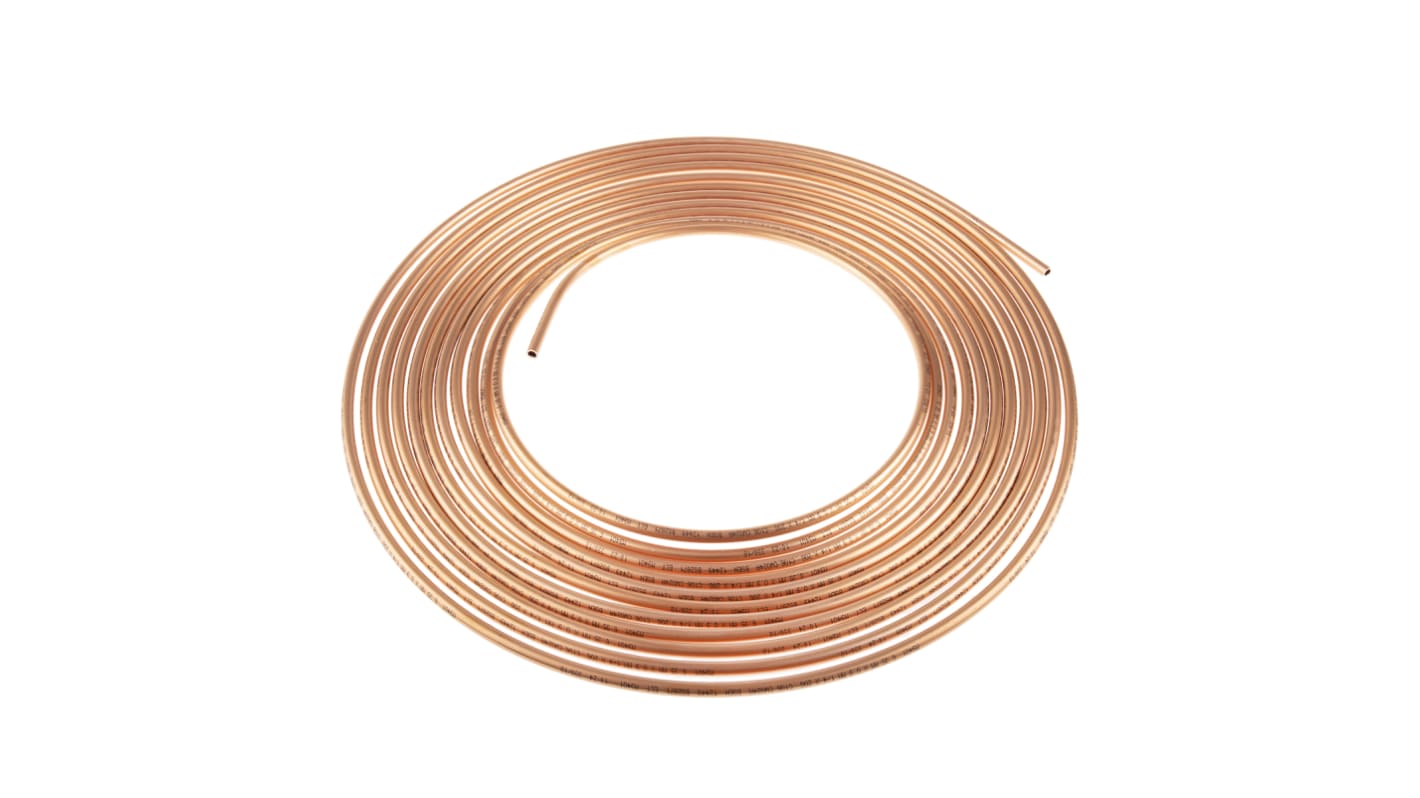
The key points of installing copper pipe fittings
The following copper pipe quick connectors, copper water pipes and copper water pipe manufacturers will talk about the key points of installing copper pipe fittings, including the following aspects:
1. Cut and prepare the copper pipe: Before installation, the copper pipe needs to be cut to the appropriate length according to actual needs, and ensure that the pipe opening is flat and free of burrs. In addition, the internal and external surfaces of the copper pipes need to be cleaned to ensure that they are free of dust, grease and impurities.
2. Welding and connection: Copper pipes can be connected to pipe fittings through welding, copper flanges, etc. For welded connections, appropriate welding methods and materials need to be used to ensure the quality and reliability of the welded joints. For copper flange connections, the appropriate flange connection method and sealing gasket need to be selected according to the size and standard of the flange.
3. Sealing and lubrication: During the installation process, attention needs to be paid to the sealing of the interface. For threaded connections, seal them with a suitable sealant or sealing tape. At the same time, the copper pipes and fittings need to be connected with the assistance of lubricating oil or grease to reduce friction during connection.
4. Key inspections: After installation is completed, you need to carefully check whether there are leaks or looseness at the connections. Ensure installation quality and safety performance by conducting leak tests and pressure tests. During the testing process, attention needs to be paid to using appropriate tools and methods to prevent unnecessary damage to the pipe fittings.
5. Technical specifications and safe operations: The installation of copper pipe fittings needs to be carried out in accordance with relevant technical specifications and operating procedures, and follow safe operating procedures. At the same time, attention should be paid to selecting qualified copper pipes and fittings to ensure that they meet relevant standards and quality requirements.