


Tig Welding Titanium Pipe
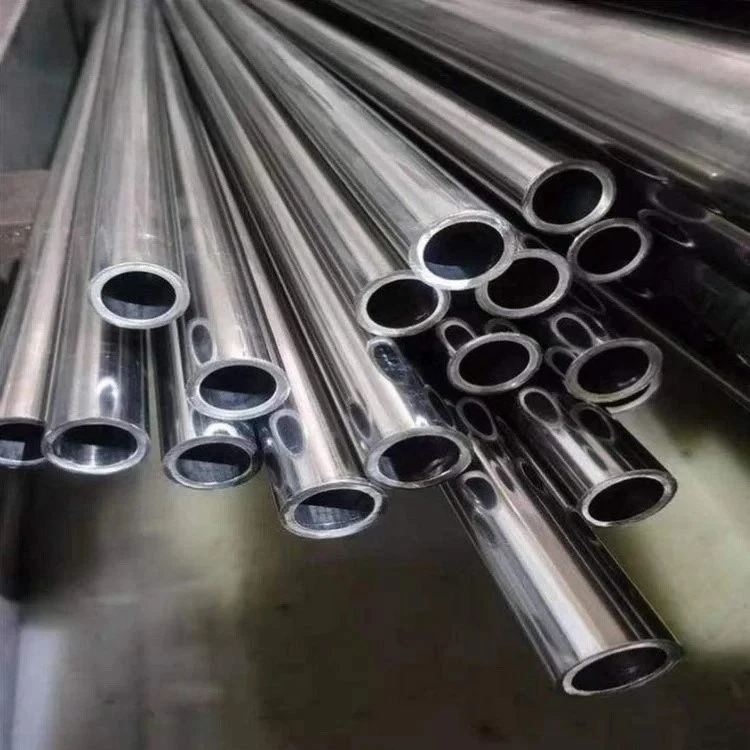
Tungsten Inert Gas (TIG) welding is a commonly used method for welding titanium tubes due to its precise control and high quality weld seams. The following are some key steps and considerations for TIG welding of titanium tubes:
Relevant data
|
Product name |
Pure Titanium & Titanium Alloy Tube /Pipe/Tubing |
|
Place of Origin |
Henan |
|
Outer Diameter |
as you required |
|
Length |
as you required |
|
Ti (Min) |
≥90% |
|
Product Name |
Titanium Pipe |
|
Material |
Gr1 Gr2 Gr3 Gr5 Gr7 Gr12 |
|
Type |
Titanium Pipe Titanium Prices |
|
Package |
Standard Sea Worthy Package |
|
Product name |
Pure Titanium & Titanium Alloy Tube /Pipe/Tubing |
Features and Functions
1. Cleanliness: Before welding, it is critical to ensure that the titanium tube and weld area are clean and free of any contaminants, such as oil, dirt or oxidation. Use a stainless steel wire brush or a special titanium cleaning solution to thoroughly clean the surface.
2. Tungsten selection: Select the appropriate tungsten electrode for TIG welding titanium. Thoriated tungsten electrodes (containing thorium oxide) are commonly used for welding titanium. However, for safety reasons, non-radioactive tungsten electrodes, such as cerium tungsten or lanthanum tungsten, can also be used.
3. Shielding Gas: Use a high purity shielding gas, such as argon, to protect the weld area from atmospheric contamination. Argon provides an inert environment that prevents oxidation from occurring during the welding process.
4. Joint Preparation: Prepare the joint by ensuring proper fit-up and alignment. Use appropriate clamps or fixtures to hold the pipe in place during the welding process. Bevel the pipe edges to form V-groove or U-groove joints to improve weld penetration.
5. Welding parameters: Set the TIG welder to the proper settings for titanium welding. The exact parameters may vary depending on the thickness of the pipe and other factors. In general, lower heat input and lower welding speeds are recommended for titanium welding to prevent overheating and potential distortion.
6. Technique: Use proper TIG welding technique to achieve a high quality weld. Maintain a consistent arc length and travel speed. Use light weaving or back and forth motion to distribute heat evenly and prevent excessive heat buildup.
7. Post-Weld Preparation: After welding, the welded joint must be properly cooled to prevent the formation of an excessive heat affected zone. Some welders recommend the use of argon gas or a welding chamber to shield the hot weld zone during the cooling process.
8. Post-weld inspection: Visually inspect the welded joint and, if required, use non-destructive testing (NDT) methods such as dye penetrant testing or radiographic inspection to ensure the integrity of the weld.
Company Profile
Step into the world of GNEE, your gateway to success in global steel and metallurgy trade. As the largest foreign trade company in Anyang, with headquarters in Zhengzhou, we are committed to providing exceptional services to clients worldwide. Our vision is to become the most competitive supply chain group globally, empowering businesses to thrive. At GNEE, we prioritize customer achievement, offering innovative solutions and unwavering support. We value the happiness of our employees, fostering a culture that embraces change and promotes excellence. With a focus on decisive action, GNEE is your trusted partner for success in global steel and metallurgy trade.


