


Characteristics of bronze
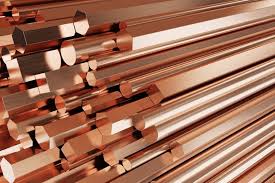

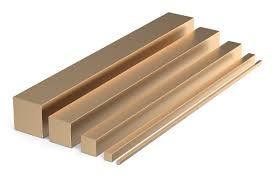
Bronze is an ancient metal alloy. According to different compositions, it can be divided into tin bronze (commonly used), aluminum bronze, beryllium bronze, phosphor bronze, silicon bronze and other types.
Tin bronze is widely used in our lives. It contains 3-14% tin. As the tin content increases, the strength and hardness of the alloy will increase accordingly. This alloy has a small volume shrinkage and better corrosion resistance than copper and brass.
When the tin content is less than 6%, it is suitable for cold deformation processing;
When the tin content is between 6-7%, it is suitable for thermal processing;
When the tin content is between 10-14%, the alloy is suitable for casting.
Multi-component tin bronze refers to adding zinc, phosphorus, lead, nickel and other elements to tin bronze. The addition of these elements can effectively improve the mechanical properties of the alloy, especially the elastic limit and fatigue limit, so it is often used to make springs.
Commonly used tin bronzes such as QSn4-3, QSn6.5-0.4, ZCuSn10Pb1, etc., because of their good mechanical properties and corrosion resistance, are often used to manufacture elastic components, wear-resistant parts, antimagnetic and corrosion-resistant parts, such as springs, Bearings, gears, turbines, washers, etc.
Mechanical tin bronze, also known as gun metal, contains 10% tin and is often used to make corrosion-resistant and wear-resistant components such as gears, valves, and propellers.
Bearing tin bronze contains 12-15% tin and is often used to make low-speed, heavy-duty bearings such as railway axles.
Coin tin bronze contains 4-10% tin, has good ductility and excellent castability, and is often used to make coins.
Tin bronze for bells contains 20-32% tin. The fewer impurities, the crisper and more pleasant the sound.
Bronze is an ancient copper product, mainly composed of copper and tin, sometimes with zinc, lead and other elements added. A small amount of nickel and arsenic are added to the bronze used for bronze statues and home decorations to improve the fluidity of the solution and make the surface texture of the casting clear.
In ancient times, mirrors were made of copper, called mirror copper, which was composed of two-thirds copper and one-third tin.
Aluminum bronze has an aluminum content of less than 11.5%. Since tin is more expensive than aluminum, people often use aluminum bronze to replace part of the tin bronze.
In terms of casting performance, aluminum bronze has good fluidity, but its volume shrinkage is large and there are alumina inclusions, so it is easy to crack.
In terms of mechanical properties, aluminum bronze does not spark. As the aluminum content increases, strength and hardness increase, but plasticity decreases.
When the aluminum content is 5-8%, both cold and hot working can be performed; when the aluminum content is 8-11%, the fluidity is poor, so it is often used as a casting alloy.
In terms of corrosion resistance, aluminum bronze will form a dense oxide film on its surface, so its corrosion resistance is better than that of tin bronze.
Multi-element aluminum bronze refers to adding elements such as iron, nickel, and manganese to aluminum bronze. The addition of these elements can refine the grains, avoid spontaneous temper brittleness, improve strength and avoid temper brittleness. At the same time, nickel can also improve heat resistance and corrosion resistance.
Beryllium bronze is a very precious metal material, and its price is higher than silver. This metal material has high strength, high hardness, and excellent fatigue limit and elastic limit. It also has excellent corrosion resistance, wear resistance and cold resistance, and will not react in acid and alkali environments. In addition, beryllium bronze also has good electrical and thermal conductivity properties.
Beryllium bronze is often used as high-precision elastic components and special wear-resistant components. It is also often used in impact and spark-free situations such as mines and refineries. In order to further improve the performance of beryllium bronze, a small amount of Ni is usually added, which can improve elasticity, strength, wear resistance and corrosion resistance.
When making beryllium bronze, it is also necessary to control the content of impurity elements P and Pb to avoid affecting the material properties.


