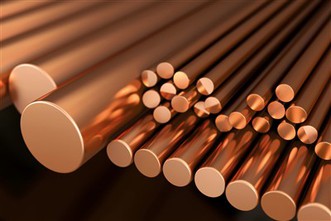


The application of copper tubes is much more extensive than that of pure iron. Every year, 50% of copper is electrolytically purified into pure copper for use in the electrical industry. The copper mentioned here must be very pure, with a copper content of more than 99.95%. A very small amount of impurities, especially phosphorus, arsenic, aluminum, etc., will greatly reduce the conductivity of copper. The oxygen content in copper (a small amount of oxygen is easily mixed in during copper smelting) has a great influence on the conductivity. Copper used in the electrical industry must generally be oxygen-free copper. In addition, impurities such as lead, antimony, and bismuth will prevent the crystals of copper from being combined together, causing hot brittleness, and will also affect the processing of pure copper. This kind of pure copper with high purity is generally refined by electrolysis: impure copper (i.e. crude copper) is used as the anode, pure copper is used as the cathode, and copper sulfate solution is used as the electrolyte. When the current passes through, the impure copper on the anode gradually melts, and the pure copper gradually precipitates on the cathode. The copper refined in this way can reach a purity of 99.99%. Copper is a relatively pure type of copper. It can generally be considered as pure copper. It has good conductivity and plasticity, but poor strength and hardness.
Copper tube welding
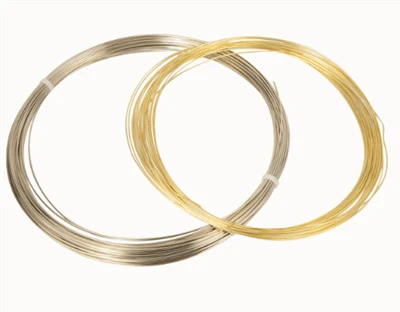
Copper tube welding generally uses 50%, 45%, 35% or 25% silver welding rods, all of which need to have good activity and the assistance of flux. The flux used should be a flexible mixture or powder.
Copper tube welding uses a carburizing flame. The welding sequence is:
(1) Before heating, apply the flux to the part to be welded.
(2) Heat and insert the copper tube and sleeve, and move the flame nozzle back and forth between the two points continuously. Do not allow the flame to directly contact the flux. The temperature when heating the steel tube is slightly higher than that when heating the copper tube.
(3) When the copper tube is heated and the flux melts into liquid, immediately place the preheated welding rod on the welding point. As soon as the welding rod begins to melt, move the flame nozzle back and forth between the two points until the solder flows into the gap between the two tubes.
(4) Remove the flame and allow the solder to contact the welding point for a few seconds before removing it. If you suspect or find that there is still space between the two tubes, you can heat it again and move the flame nozzle continuously between the two points. If necessary, add a small amount of solder.