

What is H68 brass?
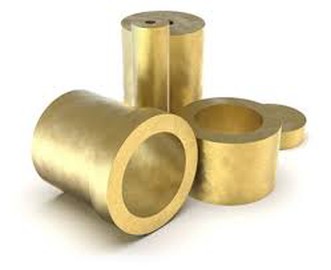
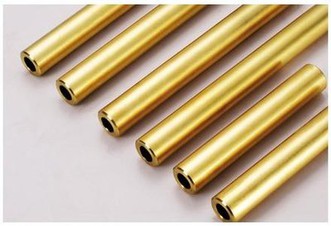
H68 brass is a common copper-zinc alloy widely used across multiple industries due to its high copper content and excellent overall properties. The following sections provide a detailed analysis of its chemical composition, physical and mechanical properties, machinability, and primary application fields.
Chemical Composition
The chemical composition of H68 brass primarily consists of copper (Cu) and zinc (Zn). The specific composition, with strictly controlled impurity limits, is as follows:
Copper (Cu): 67% – 70%
Zinc (Zn): Balance
Lead (Pb): ≤ 0.03%
Phosphorus (P): ≤ 0.01%
Iron (Fe): ≤ 0.01%
Antimony (Sb): ≤ 0.005%
Bismuth (Bi): ≤ 0.002%
Total Impurities: ≤ 0.3%
This composition ensures high performance in various conditions, particularly in corrosion resistance, machinability, and mechanical properties. The notably low lead content qualifies it as an "environmental-friendly" brass variant.
Physical Properties
H68 brass exhibits favorable physical properties due to its high copper content:
Thermal Conductivity: Good, making it suitable for applications requiring efficient heat dissipation.
Electrical Conductivity: While not as high as pure copper, it remains superior to many other alloys, suitable for electrical connectors.
Corrosion Resistance: Strong resistance to atmospheric, water, and salt spray corrosion, making it applicable in marine or chemical industrial environments.


The mechanical performance of H68 brass is characterized by high tensile strength and good ductility:
Tensile Strength: High, capable of withstanding significant tensile forces.
Elongation: Good plasticity, allowing for substantial deformation without fracture during processes like deep drawing.
Hardness: Moderate, providing a balance between wear resistance and machinability.
Machinability and Workability
H68 brass offers excellent machining properties:
Cold Working: Can be processed into various shapes via drawing, stamping, and bending with high precision and surface finish.
Hot Working: Exhibits good plasticity and ductility at elevated temperatures, suitable for hot forging and extrusion.
Weldability: Good, allowing for conventional welding methods with strong joints and minimal defects.
Primary Application Fields
The superior properties of H68 brass lead to its extensive use in:
Automotive Industry: Connectors, radiator components, cooling system parts.
Electronics & Electrical Industry: Electrical terminals, connectors.
Mechanical Manufacturing: Valves, gears, bearings.
Architecture & Decoration: Door handles, window frames.
Chemical & Environmental Protection Equipment: Components exposed to corrosive substances.
Get Dedicated Engineer Support
Our factory
Our factory is equipped with an advanced full-process copper processing production line, specializing in the manufacturing of high-precision copper plates, copper tubes, copper rods, copper wires, and copper strips. The core of our production includes continuous casting and rolling units, precision extrusion lines, high-speed cold rolling equipment, multi-roll precision rolling mills, tube drawing systems, and intelligent stretching production lines. We are also outfitted with comprehensive inspection equipment such as spectrometers and online eddy current flaw detectors, ensuring full-process control from smelting and casting, hot processing, to cold finishing. Our products achieve an accuracy of up to ±0.01mm, with an annual production capacity exceeding 50,000 tons. They are widely used in power, electronics, transportation, and high-end manufacturing sectors. Certified with international standards such as ISO9001 and IATF16949, we are capable of providing global customers with one-stop copper material solutions.

Brass product packaging
We implement a graded and customized packaging system: copper plates are double-wrapped with moisture-proof paper and vapor corrosion inhibitor film before being placed in reinforced wooden crates, which are filled with cushioning materials and equipped with impact-resistant corner protectors; copper tubes and rods are sealed with plastic end caps, wrapped with PE protective film, and then layered into steel-frame logistics containers, with EPE pearl cotton separating each layer; copper wires are automatically wound onto spools, vacuum-sealed, covered with waterproof film, and secured on customized iron-wood pallets; copper strips are wrapped with non-woven fabric, coiled onto high-strength steel cores, and placed into waterproof composite material coils with desiccants inside. All packaging passes ISTA-3A transport testing, and the outer boxes are labeled with international hazardous material identifiers, moisture warnings, and scannable logistics codes, ensuring the cargo withstands moisture, impact, and chemical erosion during global transportation.

Get Fast Quote & Logistics Plan