Some people have asked why phosphor copper and red copper, while similar in appearance, are so much more expensive. In fact, there are many differences in their composition, properties, applications, and production costs, which account for the price difference.
Red copper is a relatively pure copper, with a copper content of approximately 99.9% and very few other impurities, resulting in its purple-red color. Due to its high purity, it exhibits excellent electrical and thermal conductivity, making it a good conductor of electricity.
Phosphor copper, on the other hand, is an alloy of copper and phosphorus, with the phosphorus content typically ranging from 0.03% to 0.35%. The addition of phosphorus improves copper's casting properties and wear resistance, but the presence of other alloying elements alters the copper's inherently pure properties.
Red copper is relatively soft and has good ductility and plasticity. This makes it easy to process into various shapes, such as thin sheets and filaments. For example, in the wire and cable industry, red copper can be easily drawn into wire for power transmission.
Phosphor copper boasts greater strength and hardness than red copper, and its mechanical properties can be further enhanced, especially after appropriate heat treatment. This makes phosphor copper more effective in applications requiring high pressure or friction, such as in the manufacture of various wear-resistant mechanical parts.
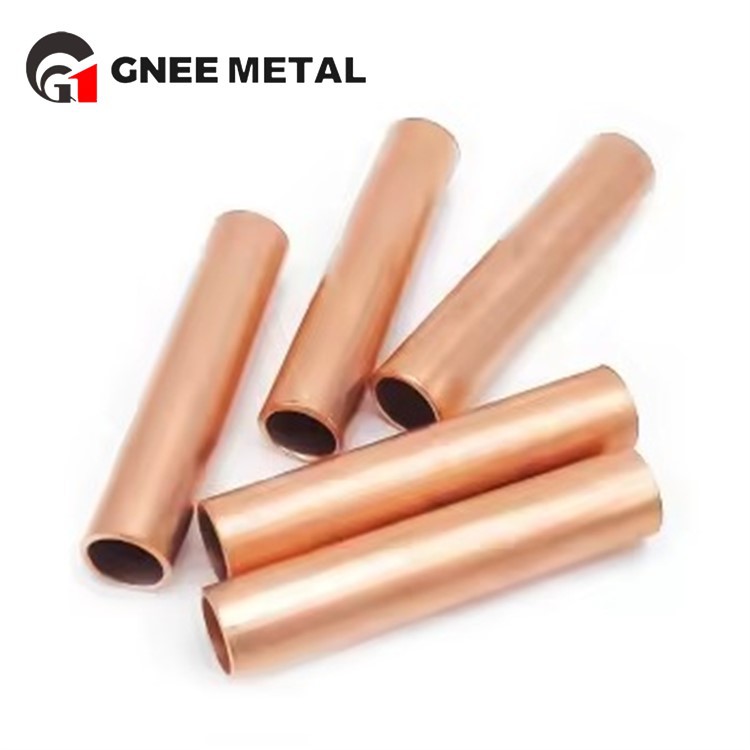
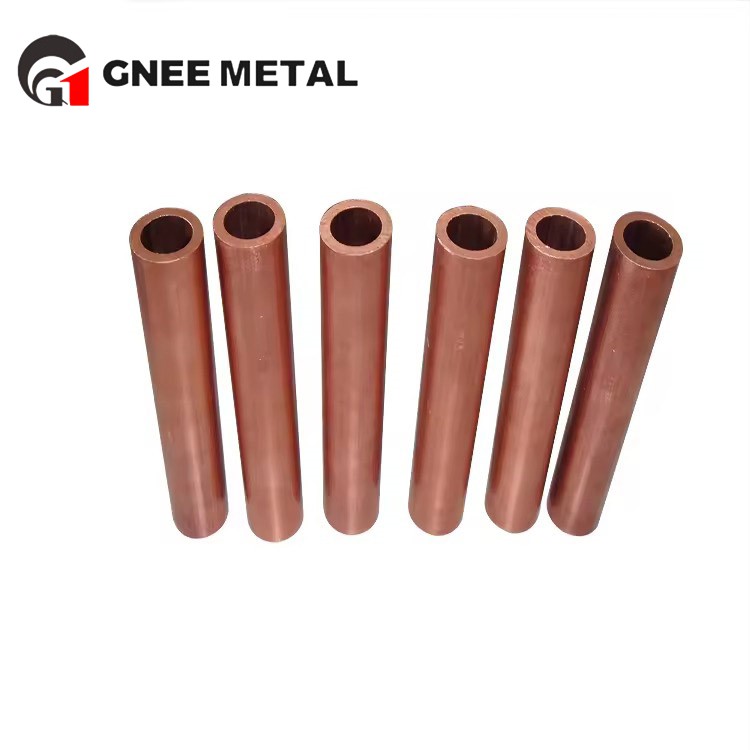
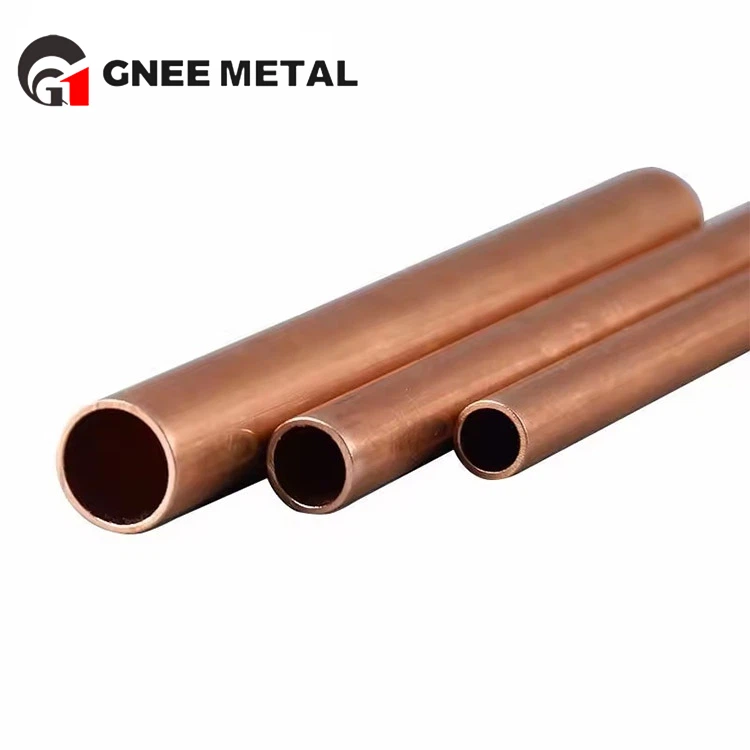
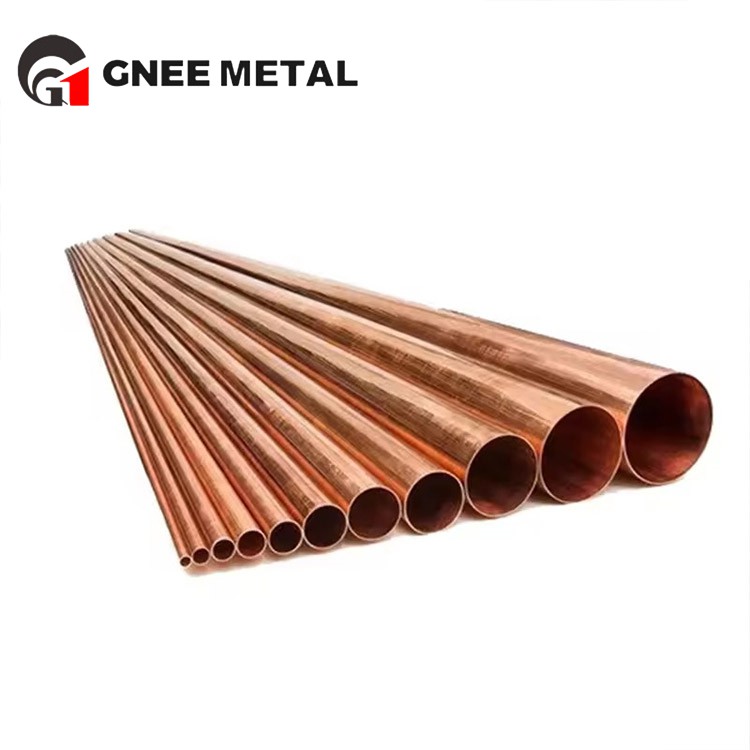
Red copper exhibits excellent corrosion resistance in environments such as air and seawater, but may corrode due to chemical reactions in certain environments containing acidic or alkaline substances.
The phosphorus in phosphor copper forms a protective film on the copper surface, effectively enhancing its corrosion resistance and making it more durable than red copper in harsh chemical environments.
Red copper is primarily used in the manufacture of products requiring high electrical and thermal conductivity, such as wires, cables, brushes, and copper pipes. In the electrical industry, copper is an indispensable material because it ensures efficient transmission of electrical energy and reduces energy loss. For example, household wiring is often made of copper because it safely and efficiently transmits power to various electrical devices.
Phosphor copper is commonly used in the manufacture of wear-resistant parts, elastic components, precision instrument parts, and as a welding material. In watchmaking, phosphor copper is used to make elastic components such as springs, leveraging its excellent elasticity and wear resistance to ensure proper operation. In the welding industry, phosphor copper electrodes offer excellent welding performance and are used to join materials such as copper and copper alloys.
Due to its high purity, the production process for red copper primarily involves refining copper ore to remove impurities and obtain high-purity copper. While this refining process carries certain costs, it is relatively straightforward.
In contrast, the production of phosphor copper requires the addition of phosphorus to copper and precise control of the phosphorus content, which involves a more complex alloying process. Furthermore, due to its unique properties, phosphor copper production demands higher standards for equipment, technology, and process control, all of which increase its production costs.
Thus, although phosphor copper and red copper appear similar in appearance, their prices differ significantly due to differences in composition, properties, applications, and production costs.
In recent years, with the rapid development of industries such as electronics, electrical engineering, aerospace, and automotive manufacturing, demand for phosphor copper has continued to increase. However, production capacity for phosphor copper is relatively limited, resulting in occasional shortages in the market and driving up its price.
The company has a cluster of leading copper processing production lines in China, including:
German imported precision copper tube production line (annual output of 30,000 tons)
Japanese technology copper foil rolling line (thinnest up to 6μm)
Fully automatic copper bar continuous extrusion line
Intelligent copper sheet and strip finishing mill unit
Digitalized control and management of the whole production process is realized through MES system, and the dimensional accuracy of the products can reach ±0.01mm.