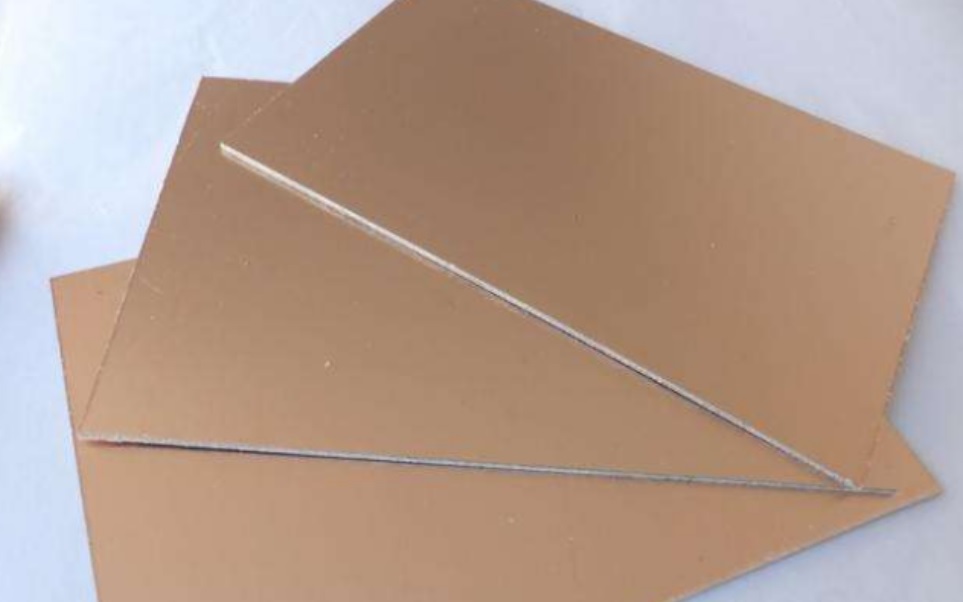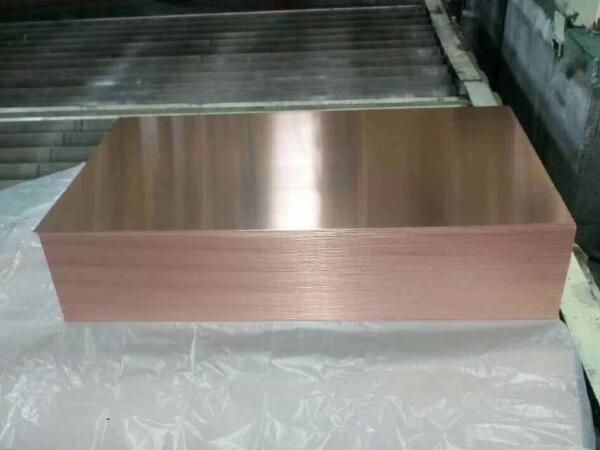


The difference between red copper and oxygen-free copper
01. Differences in use
(1) Purposes of red copper: T1 and T2 are mainly used for conductive, thermal conductive and corrosion-resistant components, such as wires, cables, conductive screws, shells and various conduits, etc. T2 is mostly used in the aviation industry. T3 is mainly used as a structural material, such as making electrical switches, washers, rivets, nozzles and various conduits, etc. It is also used in some conductive components.
(2) Usage of oxygen-free copper: It is mainly used for parts of electric vacuum instruments, and is widely used in bus bars, conductive strips, waveguides, coaxial cables, vacuum seals, vacuum tubes, transistor components, etc.
Differences in quality characteristics
(1) Quality characteristics of red copper: At 20°C, the density of 99.999% processed pure copper is 8958kg/m3, the density of cast electrolytic refined copper is 8300~8700kg/m3 (the average value can be 8500kg/m3), and there is no gas in the cast state The density of electrolytic refined copper is 8850~8930kg/m3 (the average value can be 8920kg/m3), and the density of C11000 and C12500 is 8890kg/m3.
(2) Quality characteristics of oxygen-free copper: At 20°C, the shrinkage rate of oxygen-free copper during solidification is 4.92%, and the density is 8.94g/cm3.
Magnetic difference
(1) Magnetism of red copper: Red copper is a diamagnetic material with a magnetic susceptibility of -0.085×10⁻⁶ at room temperature. Temperature has little effect on its magnetic susceptibility. If ferromagnetic impurities (especially iron) are insoluble in copper, the copper will become ferromagnetic.
(1) Magnetism of oxygen-free copper: Oxygen-free copper is diamagnetic, with a magnetic susceptibility of -0.085×10⁻⁶ at room temperature.