


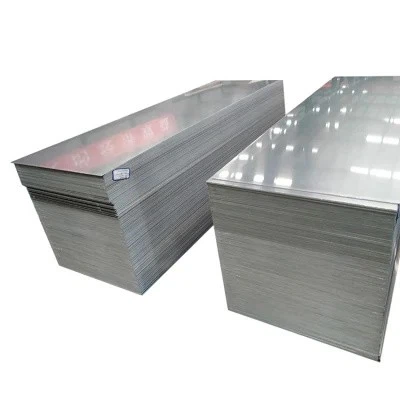


Bending Titanium Sheet Metal
Bending titanium sheet metal requires careful consideration of the material's unique properties and specific techniques to ensure successful and accurate results.
Bending Titanium Sheet Metal
Bending titanium sheet metal requires careful consideration of the material's unique properties and specific techniques to ensure successful and accurate results.
Relevant data
|
Name |
Titanium sheet & plate |
|
Classification |
Pure titanium/Titanium alloy |
|
Standard |
ASTM B348、ASTM F136、ASTM F7、AMS4928 |
|
Grade |
GR1、GR2、GR3、GR5、GR7、GR12 |
|
Size |
Thickness(0.3mm-60mm)*Width(≤2000mm)*Length(≤4000mm) |
|
Processing method |
Hot rolling/Cold rolling |
|
Test report |
Third-party testing |

Features and Uses
Material selection: Titanium alloys such as Grade 5 (Ti-6Al-4V) or commercially pure Grade 2 are commonly used for sheet metal applications. Ensure that the grade and thickness of the titanium sheet is appropriate for the desired bending process.
Prepare the sheet: Prior to bending, ensure that the titanium sheet is clean and free of contaminants. Use a suitable cleaner or solvent to remove any dust, oil or oxides from the surface.
Tool selection: Use a high quality bending tool made from a material compatible with titanium, such as stainless steel or hardened steel. Make sure the tool has a smooth surface to avoid damaging or scratching the titanium during the bending process.
Technique: Compared to other metals, titanium has a relatively low modulus of elasticity, which means it has a high tendency to spring back. To minimize springback, appropriate techniques such as overbending or the use of specialized tools must be used to compensate for the expected springback.
Heat Treatment: Depending on the specific requirements and the titanium alloy used, a post-bending heat treatment process may be required to relieve stress and reduce rebound. Consult material specifications or seek expert guidance to determine if heat treatment is necessary.
Safety measures: When working with titanium, ensure that proper safety precautions are followed, including wearing protective gloves, eyewear and, if necessary, respiratory protection. Titanium can produce fine particles and dust during processing or bending and should be avoided or properly controlled.
It is important to note that bending titanium sheet metal can be more challenging than bending other metals due to its high strength, low thermal conductivity and tendency to rebound.

Company Introduction
With a clear vision to become the most competitive supply chain group globally, GNEE focuses on optimizing supply chain operations to ensure seamless coordination and efficient delivery of products and services.
Hot Tags: bending titanium sheet metal, China bending titanium sheet metal manufacturers, suppliers, factory

