


Titanium alloy, as a unique and advanced metal, has won a wide range of applications for its lightness, corrosion resistance and excellent mechanical properties. However, the raw appearance of titanium alloys may not meet certain demanding aesthetic standards. This is where the polishing process becomes a critical step in the magnificent transformation of titanium alloy products.
Polishing, a seemingly simple process, is actually rich in technology and art. It removes imperfections and unevenness on the surface of titanium alloy through mechanical or chemical methods, making the surface smooth and bright. This process not only enhances the appearance quality of titanium alloy products, but also increases their corrosion resistance and biocompatibility.
There are several key steps in the journey of polishing titanium alloys. First, surface pretreatment is essential. Through methods such as acid washing and electrolytic polishing, surface rust, oxidized layers and other harmful substances can be removed, laying a solid foundation for the subsequent polishing process.

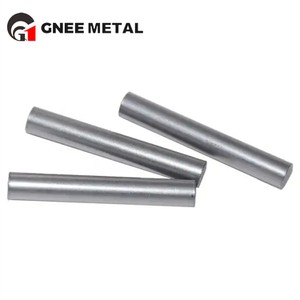

Next, the grinding process comes into play. Whether it is mechanical grinding or manual grinding, it can effectively remove the surface burrs, unevenness and other defects, so that the surface will be more flat. In this step, polishing materials specialized for titanium alloys, such as diamond and cubic boron nitride, become indispensable tools due to their good thermal conductivity and hardness.
With the completion of grinding, the polishing process reaches its climax. Through mechanical polishing or chemical polishing methods, the surface finish of titanium alloy products is continuously improved, eventually achieving a mirror-like effect. Mechanical polishing includes the stages of rough polishing, medium polishing, fine polishing and mirror polishing, and each step requires fine control of the polishing strength and direction to ensure the perfect presentation of the product.
Chemical polishing, on the other hand, is a method of polishing through chemical reactions. It is suitable for titanium alloy products with complex structures, such as denture brackets. The advantage of chemical polishing is that it is easy to operate and does not require complex equipment, but the control of the process parameters is more difficult, and it is necessary to ensure that the polishing effect does not affect the accuracy of the product at the same time.
After polishing, sandblasting and cleaning steps will remove surface residues and impurities to ensure that the titanium alloy products are clean and smooth. Finally, according to the different needs and uses of the product, surface treatment processes such as electroplating and anodizing can be carried out to further enhance its corrosion resistance and decorative properties.
In short, titanium alloy polishing process is a complex and delicate art. It requires specialized techniques and meticulous operations to ensure that titanium alloy products achieve the best appearance quality and performance. Through the polishing process, titanium alloy products can not only glow with more charming luster, but also play its unique advantages in various fields.


